
School of Environmental Sustainability
School of Environmental Sustainability
At the School of Environmental Sustainability, we train tomorrow's environmental leaders and develop practical sustainability solutions.
Why choose SES?
At the School of Environmental Sustainability (SES), students gain the knowledge, skills, and real-world experience needed to tackle urgent environmental challenges and prepare for successful, meaningful careers.

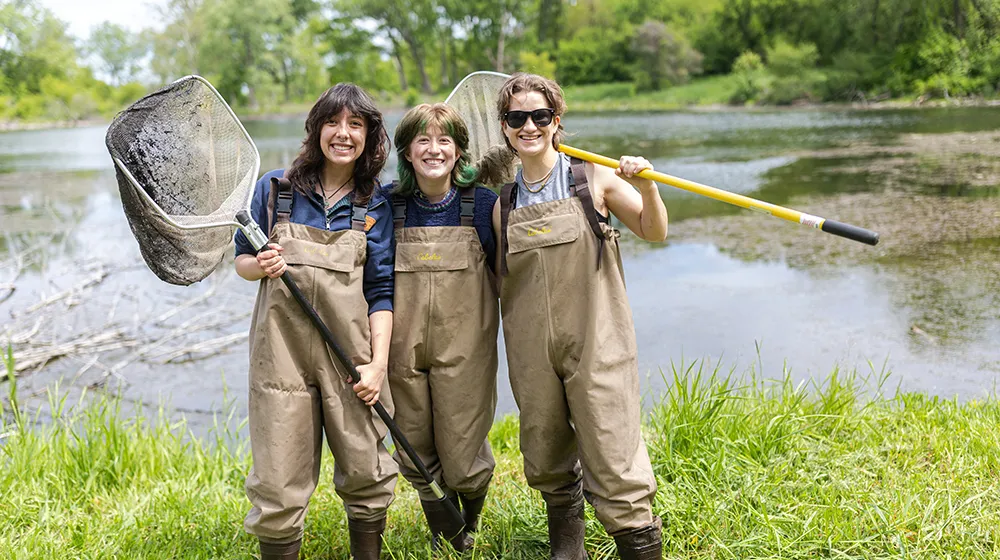
At SES, education extends beyond the classroom. Students study ecology in the field at Loyola’s Retreat and Ecology Campus, partner with faculty on air quality research, and design real-world solutions in engaged learning courses. Programs like the Urban Agriculture initiative and the innovative Searle Biodiesel Lab offer opportunities to gain hands-on experience, build valuable career skills, and make a meaningful impact.

Environmental issues are complex, and solving them requires broad knowledge and integrated thinking. SES provides a strong foundation in the scientific, societal, and ethical aspects of environmental problems. This interdisciplinary approach prepares students for diverse career paths requiring creativity, collaboration, and critical problem-solving.

Combined bachelor’s/master’s programs let students complete both degrees in just five years, saving time and tuition while providing advanced expertise and a competitive edge in the workforce.

SES has a strong track record of preparing students for career success. More than 90 percent of recent graduates are working in their chosen fields or pursuing advanced degrees. Alumni excel across sectors such as business, nonprofits, public health, education, government, environmental consulting, and more.

As Chicago’s Jesuit Catholic University, Loyola is deeply committed to caring for people and the planet. SES embodies this mission by nurturing students personally and professionally and by working for just solutions to environmental problems. At SES, students join an inclusive, welcoming community united by a shared purpose: building a better future for all.
#1
First Chicago-area university to achieve carbon neutrality
100%
100% of SES graduates are employed or continuing their education (Class of 2025)
100%
100% of campus electricity use powered by clean, renewable energy
Our Community
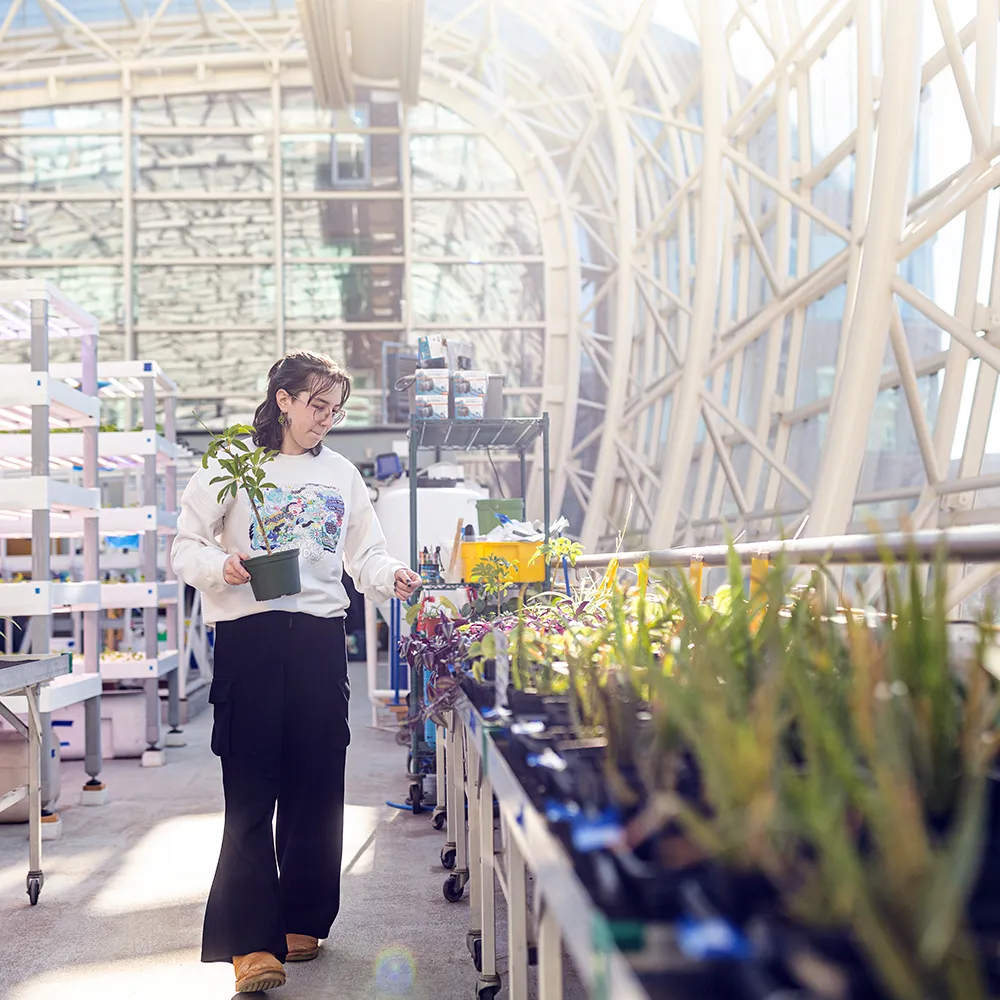
Take a video tour of the School of Environmental Sustainability's greenhouse
Students grow food and study plant and soil science year-round in Loyola's 3,100 square-foot greenhouse. Take a look inside and learn how they produce vegetables, mushrooms, and more using environmentally friendly methods.
Watch video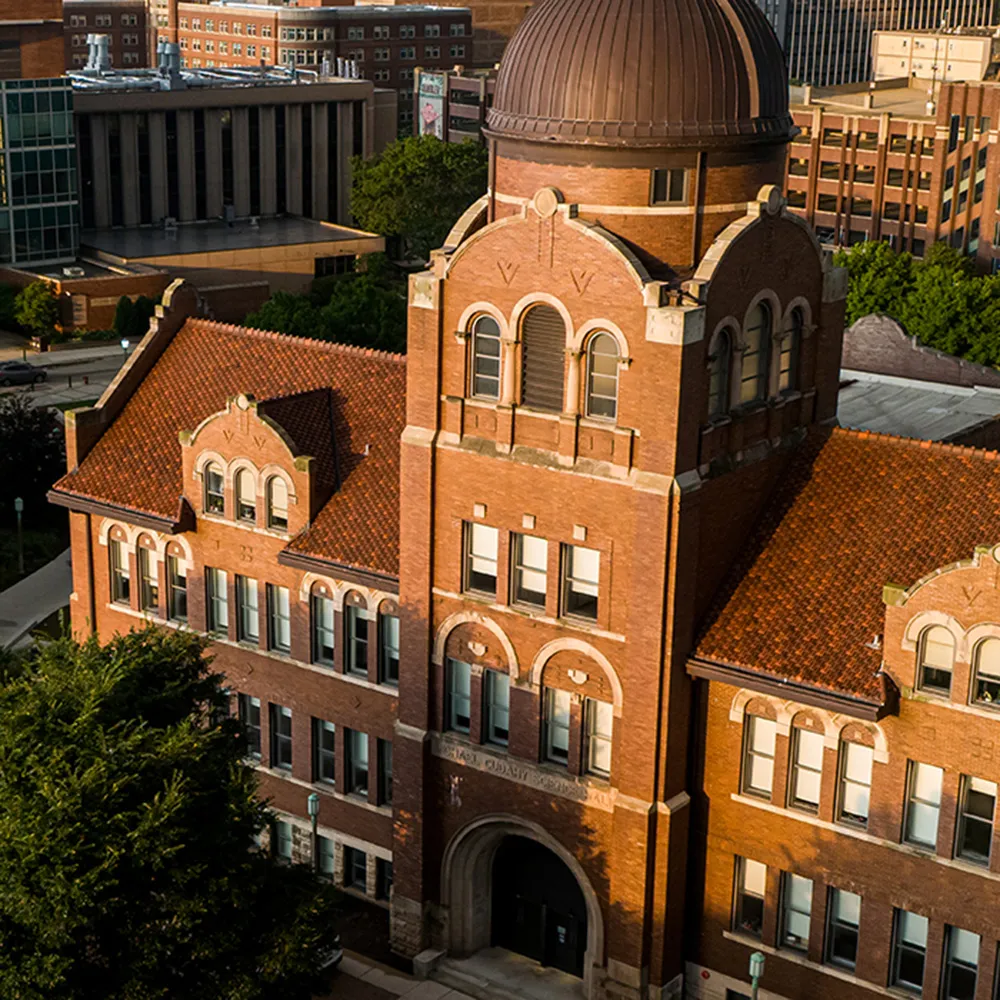
Recognition
Loyola earns perfect score on Princeton Review's Green Honor Roll
Loyola University Chicago achieved a perfect Green Rating of 99 out of 99, earning a spot on The Princeton Review's Green Honor Roll and named a Best Green School in its 2027 Best Colleges Guide.
Learn more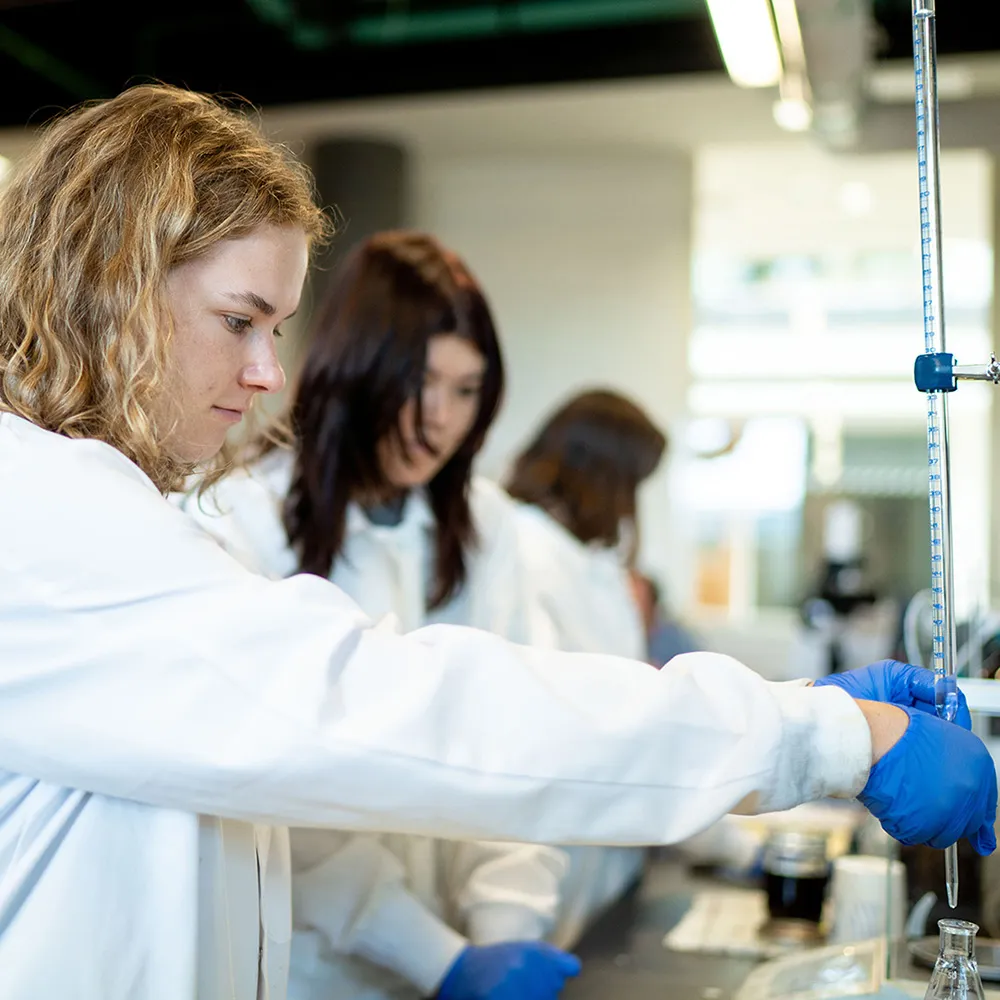
Renewable Energy
See how waste becomes fuel in the Searle Biodiesel Lab
View a video tour of the Searle Biodiesel Lab at the School of Environmental Sustainability to see how students turn used vegetable oil into renewable fuel and other products.
View videoProspective Students, Current Students, & Alumni
Prospective students
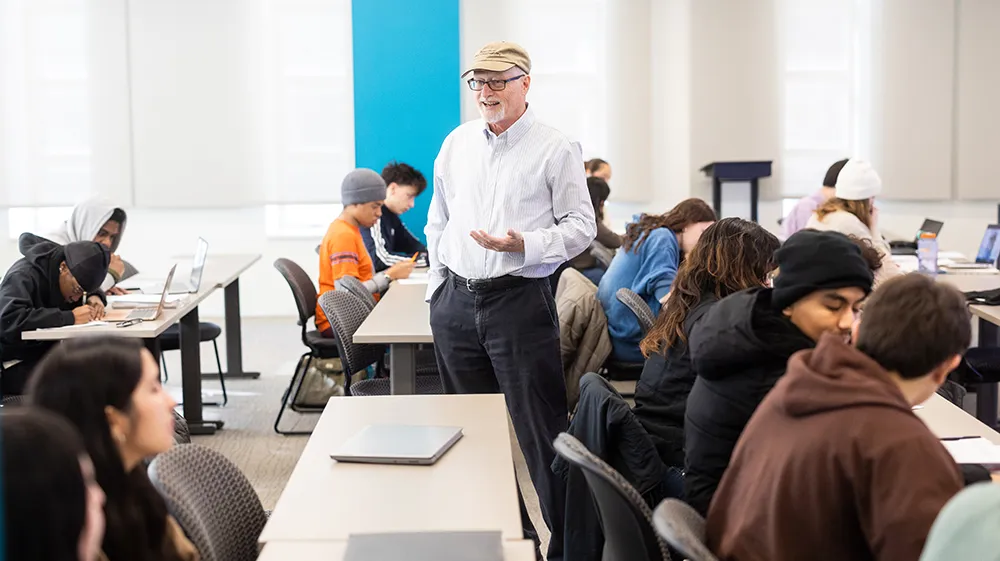
Start your journey
Discover how SES can prepare you for a career as an environmental leader.
Current Students
Get involved
Participate in events, internships, research, and experiential learning.

Alumni
Stay connected
Stay connected with fellow alumni, current students, and SES faculty and staff.
Degrees Offered
Sustainability at Loyola
While our School of Environmental Sustainability leads the way in training students for lifelong, rewarding careers across fields and industries—every campus at Loyola is dedicated to bringing green-thinking to the forefront. Discover why we're one of the nation's greenest.