Sustainability Initiative
Loyola University Chicago- Sustainability Initiative
Fact Sheet 2007-2010
- Overview
- Sustainability Initiative Program Brief
- Waste Vegetable Oil/Biodiesel Course, Fall 2007
- Phase 2 EPA Grant Introduces Biodiesel High School Outreach (Spring 2008-Spring 2010)
- Simpson Cafeteria 'Tray-free' Program Fall 2008-Present
- New STEP Program: Food Systems Course (Spring 2009 - Present)
- May 2009 - Summer Update
- Spring-Summer Semester of 2010 Update
- Sustainability Initiative Experts Available to the Media
Overview:
Led by Nancy Tuchman, PhD, Vice Provost and founder of the Center for Urban Environmental Research and Policy (CUERP), Loyola University Chicago has developed a sustainability task force to review the University's use of natural resources and to develop recommendations on what the University can do to reduce its ecological footprint. After much research and discussion and with the support of Loyola President Michael Garanzini, S.J., this task force officially kicked-off Loyola's sustainability initiative during the fall of 2007.
Sustainability Initiative Program Brief:
Established Projects:- The construction and completion of the Information Commons, a silver level Leadership in Energy and Environmental Design (LEED) building, scheduled to open temporarily on December 7, 2007, and then permanently in January 2008.
- Introduction of a new interdisciplinary course for fall 2007, Solutions To Environmental Problems (STEP): Biodiesel, designed to turn the waste vegetable oil from University dining halls into ready-to-use biodiesel fuel that will be used in campus vehicles.
- Formation of a Waste Reduction Committee to educate the Loyola community about the importance and methods of recycling.
- Appointment of a new recycling vendor on the Lake Shore Campus
- With the implementation of the new recycling system, an estimated three tons of recyclables were collected from the Lake Shore Campus in just the month of August (only three days with students on campus).
- Commitment to making sure all new construction projects on campus are certified and meet the standards of the LEED program.
- Enlisting of Professor James M. Eames, an instructor of natural science, to work with 4 undergraduate student workers to conduct a sustainability assessment on campus including inventories of our waste streams, usage of water, electricity, landscaping, yard waste and electronics to assess the amount of waste produced by the University. Professor Eames' assessment, to be completed by January 2008, will also include recommendations on next steps for the University.
- James Marshall Eames has been hired by CUERP as the Director of University Environmental Sustainability starting January 2009 to oversee the formation and implementation of the university sustainability initiative.
- Installation of condensed fluorescent, energy-saving bulbs in student residences and other buildings around campus.
Waste Vegetable Oil/Biodiesel Course, Fall 2007:
- New course introduced this fall with an emphasis on the recycling of vegetable oil into biodiesel fuel (project is partially funded with $10,000 from the U.S Environmental Protection Agency).
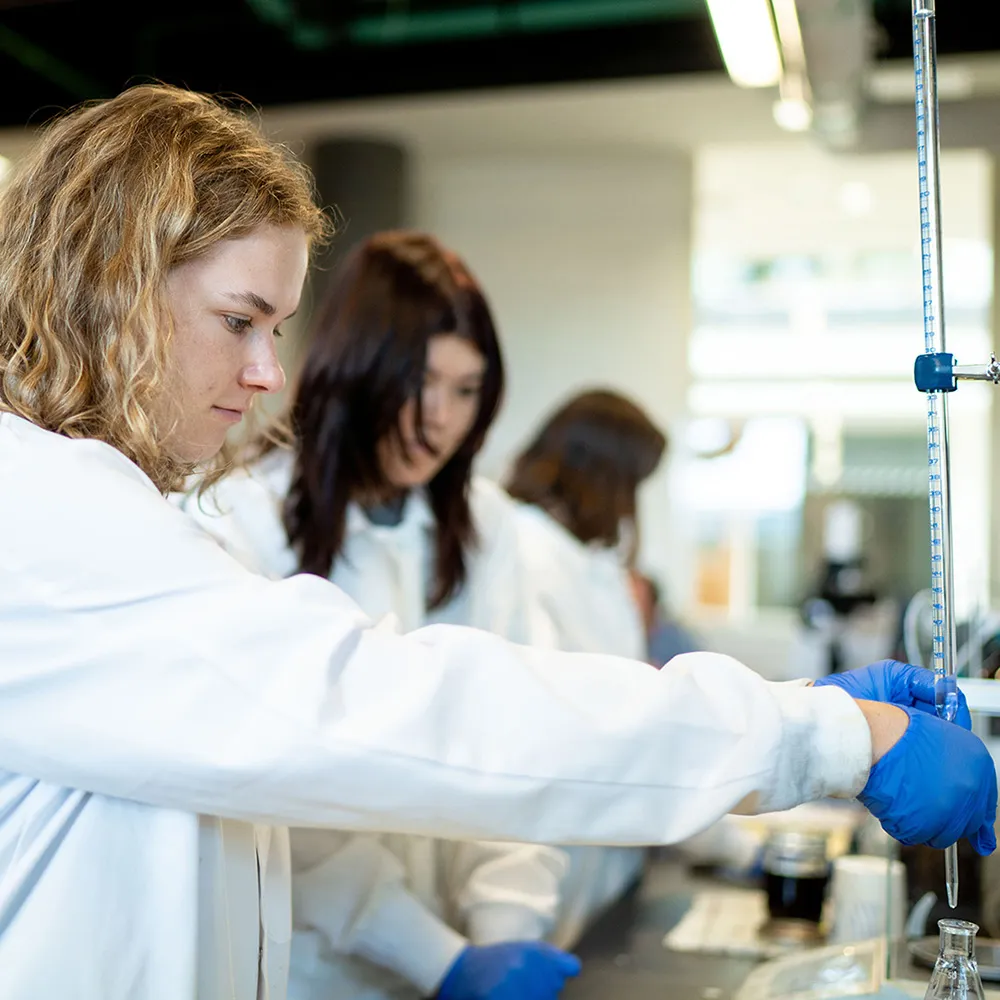
- How it works: Using the waste vegetable oil from Loyola dining halls and a biodiesel reactor built from scratch, students will convert the energy left in the waste oil into biodiesel fuel to be used for campus vehicles and the surrounding community.
- Hired a full time lab manager and a full time course coordinator to structure the course and continue its growth.
Course Details
- 13 faculty members from 8 different disciplines/schools are guiding students in their development.
- Twenty two students are enrolled in the course, all currently from 8 different majors/schools.
- Each student's and school's responsibility is to contribute to the biodiesel fuel and sustainability effort in their area of expertise, including mentoring groups at two local public high schools on building their own biodiesel labs.
- Students get to choose their areas of study in this class. For instance, if a student chooses business, he or she (within their group of business classmates) has the assignment of creating and implementing a successful business plan for the bio-diesel class that will bring in revenue.
- A final presentation will be delivered by each student group regarding their specific area of focus in the program at the end of the semester. (December 6, from 3:00 p.m. to 5:00 p.m.)
- The goal is to transform the way students think about energy consumption, and to establish a biodiesel production laboratory where Loyola uses waste vegetable oil around campus to limit its carbon, sulfur and particulate emissions.
Biodiesel Class Partnerships
- Loyola has also launched a biodiesel project at Highland Park High School.
- formed with Highland Park due to the interest of the local community and the school's principal, whose goal is to make Highland Park the greenest high school in Illinois
- School of Education students in Loyola's biodiesel class will mentor the Highland Park students and work with them to launch their own biodiesel program.
- Highland Park High School will host its own biodiesel lab and use the finished product in its school buses.
Phase 2 EPA Grant Introduces Biodiesel High School Outreach (Spring 2008-Spring 2010)
- In the 2008 spring semester, a team of students from the Solution to Environmental Problem (STEP): Biodiesel course joined together to participate in the Spring 2008 Environmental Protection Agency's (EPA) "People, Prosperity, and the Planet Student Design Competition for Sustainability" Award Expo/Program. In the competition, the team captured a $75,000 grant with their proposal for the formation of a high school outreach project in the newly formed Biodiesel Program titled, "Innovative Biodiesel Production: A Solution to the Scientific, Technical, and Educational Challenges to Sustainability,"
Simpson Cafeteria 'Tray-free' Program Fall 2008-Present
Implementation
- Joining Loyola University Chicago's dedication and continued efforts to become a premier environmentally friendly university, Aramark, the University's food service company, hired their current director of operations , Doug Stenfeldt as the company's new sustainability director. Stenfeldt assisted in Aramark's initiatives on campus to become wiser in its own sustainability directives and reduce wasteful behaviors on Loyola's campus. This resulted in Aramark conducting an analysis on campus cafeterias going trayless, trayfree?reducing energy, waste, etc.
- In the late summer of 2008, Aramark, began planning the idea of going 'trayless' trayfree? with Loyola's Simpson cafeteria and conducted a pilot during Hunger Week, Saturday, November 1, through Saturday, November 8, 2008. The pilot was a huge success therefore, Simpson Cafeteria has remained trayless trayfree? ever since.
- During the pilot, feedback was overwhelmingly positive and student support was large.
- Post-pilot, Aramark received an ongoing stream of student requests asking for Simpson to remain trayless
Data Collection and Environmental Impact
Initial data has suggested that going trayless trayfreehas cut plate waste in the cafeterias by almost 30%. Aramark has gone trayless trayfree for the entire campus due to the success of the Simpson pilot.
- The first set of data will be collected in late spring 2009 with the help of Loyola's Sustainability Director, James Marshall Eames, who will be enlisting students from his Environmental Sustainability course to reprise the plate waste study done last year. The class hopes to get solid data to judge the success or failure of the trayless trayfree program. They plan to collect the data during February/March 2009, having the results by the end of March.
- A follow-up plate waste study of trayfree dining halls shows an estimated 25% further reduction in plate waste.Currently, Aramark and Loyola have not yet planned a final study analyzing the long term and post-effects of this program, however, Dr. Eames' early analysis will aid in the formation of a strategic plan.
New STEP Program: Food Systems Course (Spring 2009 - Present)
- In the Spring of 2009 STEP: Biodiesel changed topics to Food Systems while the biodiesel projects continued in the standalone Biodiesel Program which led to the development of a new STEP curriculum offered by the CUERP, Discover the new Solutions to Environmental Problems (STEP): Food Systems course.
Course Details
- The Food Systems course opened its enrollment in the spring 2009 semester and has enjoyed thriving amount of students thus far.
- The course will explore the ecological, social, historical, political, and economic contexts of our global and national food systems. Students will learn about the events leading up to the Agricultural and Green Revolutions, the effects of the current industrial food system on global sustainability, and will work as a team to compost a portion of food waste generated at Loyola's Lake Shore Campus.
- Group projects may include:
- Leading compost outreach projects at local high schools.
- Developing protocols for growing and distributing herbs to Loyola's cafeterias.
- Working with Loyola's Division of Facilities Management to plan and implement University-wide composting.
- Envisioning and planning a campus garden.
- Analyzing the availability of healthy foods in Rogers Park.
May 2009 - Summer Update:
New Chicago Clean Air, Clean Water Program.
- CUERP has partnered with the Environmental Protection Agency (EPA) and the Illinois' Department of Natural Resources (DNR) to develop a monitoring system that will combine data from both agencies in order to track on the improvement or lack of improvement in Chicago's water and air over the years. The two main components of this project are the data and the research.
Data Component:
- There are many government agencies that monitor our resources. They monitor rivers, air-quality monitoring, however, they do no talk to one another, or share the data, and there are no long-term studies on how the air has improved or not improved because they are regulated by the U.S.Government - which is why this project was launched.
- Currently, two computer scientists at Loyola and a GIS specialist are working together to develop a comprehensive database for all of this information which will enable the data to be queried and to be organized into categories and so forth.
- This will take most of the summer and then we will take it out to the EPA and DNR and demonstrate the database to them to receive approval and to take the next steps of making this a public database for everyone to become more informed with.
Research Component:
- CUERP has an aquatic research team, including Nancy Tuchman and others. They want to start measuring emerging threats in the water and air that nobody is regulating or measuring yet, such as antibiotics, etc.
- CUERP is working to partner with Jardine Water Purification Plant, the water filtering system for Lake Michigan, which is located navy pier.
- CUERP would like to work with Jardine further on water tests.
- There are many toxins that have been found in our water such as estrogen and other pharmaceuticals, and they also want to find out the effects of consuming these harmful products. Possibly testing mammals with these to see if they react to it.
- Studies such as these can help us lead to regulating such toxins from our water because there are none to date.
New Chemistry Lab:
- In part of CUERP's research in the above Chicago Clean Air, Clean Water Program, the group hopes to build an analytical chemistry lab in the future, (funding not yet established) in order to analyze their own water samples that will enable CUERP to do more hands-on research.
Food Systems Course Updates:
- Gina Lettiere is working on the launch of Loyola's farmers market. Currently she is seeking volunteers. In addition, Gina is training to be a certified bee keeper which will enable her to teach students on how to keep bees. Goal is to implement a honey production program on campus by 2012.
Roof-Top Garden:
- Nancy and the CUERP group began developing the strategic vision of a food production demonstration project on the Quinlan Life Sciences building balcony.with the help of Wayne Magdziarz who is helping them develop an outline/plan of the possible locations of the garden.
Biodiesel Certification:
- CUERP's Biodiesel Program is still waiting for their certification on biodiesel - working with Phil Hale on this development. They will keep us posted.
Fall Semester of 2009 Update:
Bee Keeping Project:
- A campus location for the bee hive is currently being identified.
- Gina Lettiere has her own hive which she used during her Bee Keeping training.
Use of Damen Hall:
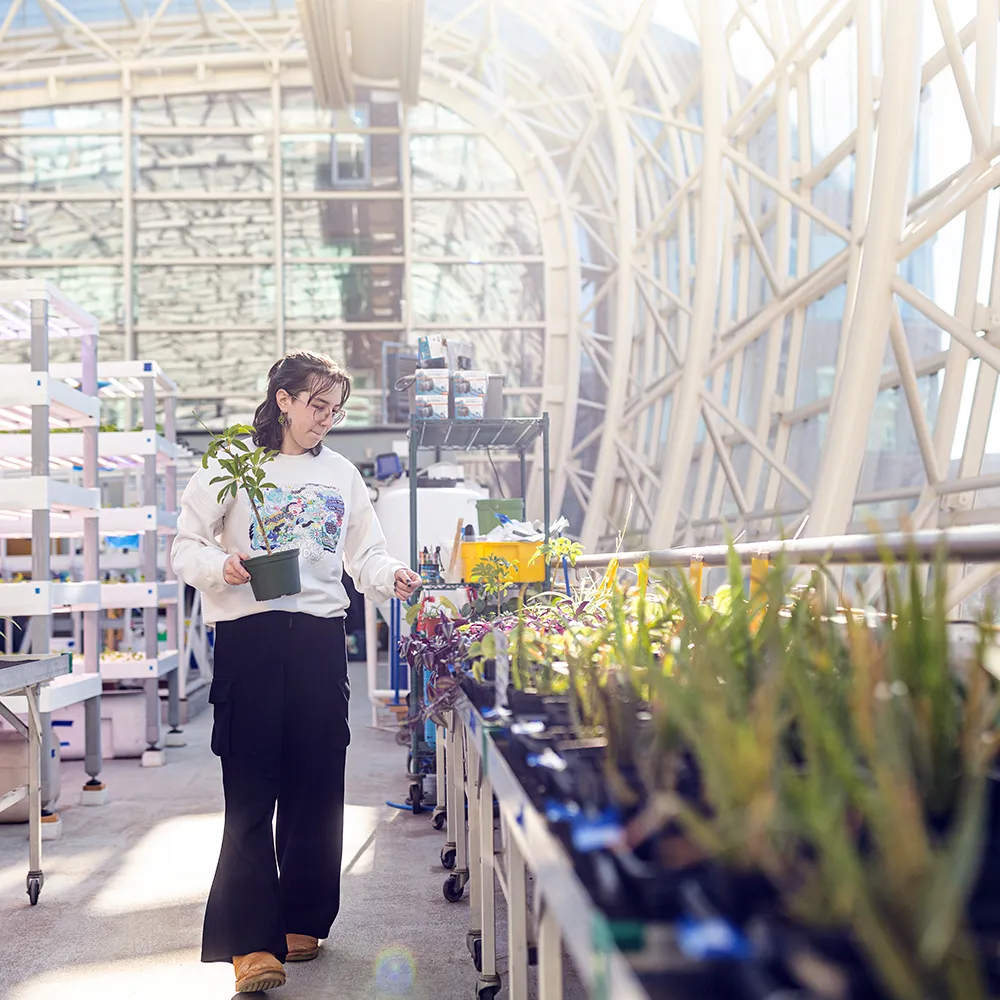
- Currently, CUERP is using Damen Hall for its STEP: Food Systems course, and there are three small green houses as well.
- Once Damen Hall goes down, CUERP is working with Wayne on possible locations for the gardens. Possible places include Albion ave., or small strip by Burrowes Hall- still TBD.
STEP: Food Systems Course:
There are four student groups which each work on a different project regarding Food Systems. They are the following:
1. Organic Garden
- Each student in this group are building a garden bed of their own- a 10 l x 3w x 3h loft size with plants to build hoop houses on top of these lofts, which are protective roofs similar to green houses, so they can be extend the growing season into the fall/winter season, and be protected. Such a set-up is representative of what a typical Chicagoan can do.
- The gardens will be placed on the Quinlan balcony
- Students use the Damen Hall Greenhouse to start seeds for the garden beds as well as conduct food production projects from seed-to-table during the semester
- The group also plans to visit City Farm to learn more and apply such experience to their own project.
- The goal of the garden is to be used year round, growing produce according to season.
- Students are also comparing organic growing techniques vs. the conventional (chemical) techniques, to see the difference in the produce.
2. Composting Project
- Each student in this group is working on effective way to deal with all of the food waste on campus.
- There is 12 tons of food waste a week.
- CUERP and students proposing an idea of the University investing into an Anaerobic Digester, which breaks down food waste and unrecyclable garbage converting it into energy. Nothing in the works, but CUERP hoping to install something like this in the future.
3. Education with Communication
- This group is showing and informing the Loyola community what CUERP students are doing using communication vehicles such as digital screens, websites, blogs, WLUW, Loyola Phoenix, etc.
4. Edible Landscaping
- This project involves students reaching out to the public and to the Loyola community to inform them about produce and plants, the best time/season to eat certain produce.
- Working with Bill Curtin about future landscape regimes to put on Loyola's campus such as pear trees, apple trees, blueberry trees, etc.
Loyola's Farmers Market:
- A site has been identified - the gravel lot on W. Sheridan. Next step, is finding individual who is going to oversee it-TBD.
Food Not Bombs Organization:
- Community based organization in Rogers Park which meets every Sunday to college whole foods food and make good vegetarian meals which are then served to homeless and those in need every Sunday at Humbolt Park food distro and community gathering: North Ave. between Humbolt and California Ave., and on Morse and Howard Street in Rogers Park. Students often use CUERP's Biodiesel Van to help with food collections.
CUERP Sponsored Documentary Film Series:
- To generate more awareness on climate change, and other sustainable efforts within the nation and world.
- First film of the series is "Flow," on October 22, 2009, and shown the following semester will be "Food Inc."
- "Flow" is about the social, economic, and environmental implications of water privatization. Dr. Mark Luttenton, a water rights expert and Ecologist takes viewers on the journey of him representing the residents of Michigan in a nine year old court battle against Nestle Co., owners of Ice Mountain bottled water) as they take excessive amounts of water from Michigan aquifers- and such actions are threatening the quality and quantity of residential well water and putting stress on streams and wetlands.
Chicago Park District Partnership
- Thanks to the SCPS Continuum biodiesel course this past summer 2009, two Chicago Park District (CPD) employees who took the course are now adapting what they learned to their CPD work environment.
- They have built a biodiesel reactor to produce fuel for their own CPD vehicles.
- Only using the biodiesel fuel on CPD vehicles used within CPD property since there are many laws and regulations to work through before brining to larger city area.
- Zach Waickman is working closely with these contacts, and in the process of coordinating internships with CPD, sending CUERP students to work with them and their expanding biodiesel project.
Update on New Chicago Clean Air, Clean Water Program CUERP Project
- Current water measurement project is still going on within their stream facility- they are currently measuring and analyzing the pharmaceutical product Azithromycin, one of the largest produced antibiotics.
- The study is ongoing and updates are coming, will touch base Spring semester.
Spring-Summer Semester of 2010 Update:
Loyola Successful in Participation in Recylcemania 2010:
From January 17-March 27, 2010, Loyola competed in the Gorilla category-recycling weights for Recyclemania, a national competition between colleges and universities to reduce waste and increase recycling. Loyola's goal was to improve the campus recycling program through a combination of personal behavior/responsibility and efficient placement of bins and signage. As a result, the 2010 RecycleMania competition was a success, and we exceeded our 2009 ranking! Results included:
- Loyola ranked 79 out of 346 colleges and universities that competed in the Gorilla category
- Loyola placed third out of 14 Illinois higher education institutions
- Loyola ranked fourth out of seven institutions in the Horizon League
Bike and Roll Donates $30,000 to Loyola Bike Program
On March 15, 2010, Chicago-based Bike and Roll, America's leading bicycle rental and tours company, donated $30,000 worth of bicycles to Loyola University Chicago's environmentally friendly Borrow-A-Bike Program. Housed within Loyola's Bike Club, a student-led organization, the Borrow-A-Bike Program allows students to borrow a bike for 24 hours at no charge. With this donation, the program can now offer more students the opportunity to rent bicycles.
- This donation has allowed more students to pick an alternate and more sustainable mode of transportation by riding a bike in between lake shore and water tower campus.
STEP: Food Systems Course Update- Students Win Contest for Edible Landscaping:
This past spring, students from the (CUERP): Food Systems course officially launched an edible landscaping map of the Lake Shore Campus- a work in progress since fall 2009 semester, the plants were planted at the end of March beginning of April on campus.
- Food System course students who led the edible landscaping project participated in the Arbor Day Video Challenge, a contest launched by the Arbor Day Foundation that challenged students to come up with a compelling video that educates and convinces people to plant trees in their community. Students Elias Majid, Michael Gallagher, and Paul Tran submitted the "Gardener Guild Loyola" video, which documented Loyola edible landscaping on campus and won!
- Loyola University won the competition with about 80 percent of votes online. Loyola received $2,500 in trees to plant on their campus or local community.
- Check out the edible plants on campus by viewing the Edible Campus Map, which is attached to this document (see attached).
Water Colloquium Week 2010: April 12-April 16, 2010
CUERP hosted the 2010 Water Colloquium on campus this spring. The 2010 Water Colloquium Week was a week-long series of events, which raised awareness of the global water crisis. The week covered topics such as the debate over privatizing water supplies and the environmental impacts of plastic bottled water. Events included the following:
- Documentary film series featuring Tapped and Blue Gold: World Water Wars, both films take a look at the unseen world of the bottled water industry.
- College Debate: Loyola's Undergraduate Debate Team Vs. The Hillsdale College Debate Team
- Academic lectures on bottled water issues
- Tap Water Challenge: students are challenged to see if they notice the difference between bottled water and tap water.
New CUERP and Sustainability Opportunities - Loyola Purchases Chicago Purchases Resurrection Retreat and Ecology Campus in McHenry, Illinois
On May 25, 2010, Loyola purchased the 98-acre Resurrection Retreat Center located at 2710 South Country Club Road in Woodstock, Illinois, from the Congregation of the Resurrection. The retreat center, which the University has named the Loyola University Chicago Retreat and Ecology Campus, will be used for a number of different purposes, one of them most importantly being for the University's Biology department and for CUERP sustainable practices.
- With 20 acres of natural habitat that includes ponds, streams, woods, and prairie land, the property offers a unique learning opportunity for students and faculty interested in the sciences- students enrolled in classes like ecology, environmental sciences, wetlands biology, conservation biology, restoration biology, and others will have the opportunity to conduct field research on the land and work with the McHenry County Conservation District to restore the natural habitat.
- This coming fall 2010, CUERP will conduct a field course with students designing, planting, and maintaining an organic garden on the grounds, with intent to expand into a small sustainable farm that students, as well as local community members, will participate in.
- Long term, the University would like to offer courses for the community on making compost, permaculture, bee keeping, seed collecting, and organic gardening.
Loyola Announced Finalist in "Green PR" Category in 2010 PR News Platinum Awards
Once a year the PRNews Platinum PR Awards salute the year's most outstanding communications initiatives and programs in the highly competitive and dynamic PR arena including corporations, agencies, and nonprofits large and small.
- Loyola participated in the Green PR campaign category, which recognizes a communications strategy with an organization's "Go Green" efforts as its focus, and Loyola was announced as one of the finalist in this category this July 2010.
- The University was recognized for its sustainable practices and campaign initiatives.
- Final awards will be announced in the first of October 2010.
Loyola Becomes First School of Any Kind Authorized to Produce and Sell Biodiesel Fuel
The most recent and one of the most exciting updates thus far for Loyola and CUERP, is that this past July 2010, CUERP's Biodiesel Program has become the first school program in the United States to be licensed by state and federal authorities to produce and sell its biodiesel fuel. The program has received the approval of the Environmental Protection Agency, Internal Revenue Service, Illinois Department of Revenue, and the National Biodiesel Board.
- Loyola's first customer is The Free Enterprise System, Inc., the company that runs the University's shuttle service between its Chicago-based Lake Shore and Water Tower campuses. Purchasing biodiesel fuel from Loyola will allow the company to run its six Loyola buses with less diesel fuel, which is one of the dirtiest fuels and is known to release large amounts of carbon dioxide, polluted "dust," and sulfur compounds that can cause lung problems and lead to acid rain.
- The move will eliminate the use of nearly 3,000 gallons of diesel fuel every year on the shuttles.
- In addition to selling the fuel, the University will also sell the lab's "BioSoap" at its campus stores and select retailers across Chicago. (The BioSoap is made from the byproduct of the biodiesel fuel production, which is known as glycerin. The soap retails for $7.99, or $2.49 for a sample size)
Sustainability Initiative Experts Available to the Media:
- Nancy Tuchman, PhD, Vice Provost and founder of Loyola's Center for Urban Environmental Research and Policy
- David Crumrine,PhD, Acting Director of Loyola's Center for Urban Environmental Research and Policy
- Gina Lettiere, coordinator of Loyola's Center for Urban Environmental Research and Policy
- Phil Kosiba, vice president of facilities, Loyola University Chicago
- Kana Wibbenmeyer, assistant vice president of facilities, Loyola University Chicago
- Zach Waickman, Biodiesel Lab Manager, Center for Urban Environmental Research and Policy
- Adam Schubel,MS, STEP:Food Systems instructor, Center of Urban Environmental Research and Policy
-Loyola-