
Giving to Loyola

Make a fiscal year-end gift!
As our fiscal year comes to a close, your support matters more than ever. Make your gift before June 30 to help create transformative opportunities for Loyola students! Make a gift!
Welcome to Loyola's online giving resource.
Every year, donors like you help us to continue our mission of providing a Jesuit, Catholic education to thousands of students.
On this site, you can...
Learn about the impact that giving makes at Loyola.
Discover ways to make a gift.
Explore Loyola's philanthropic priorities.
Or contact us if you have any questions or comments.
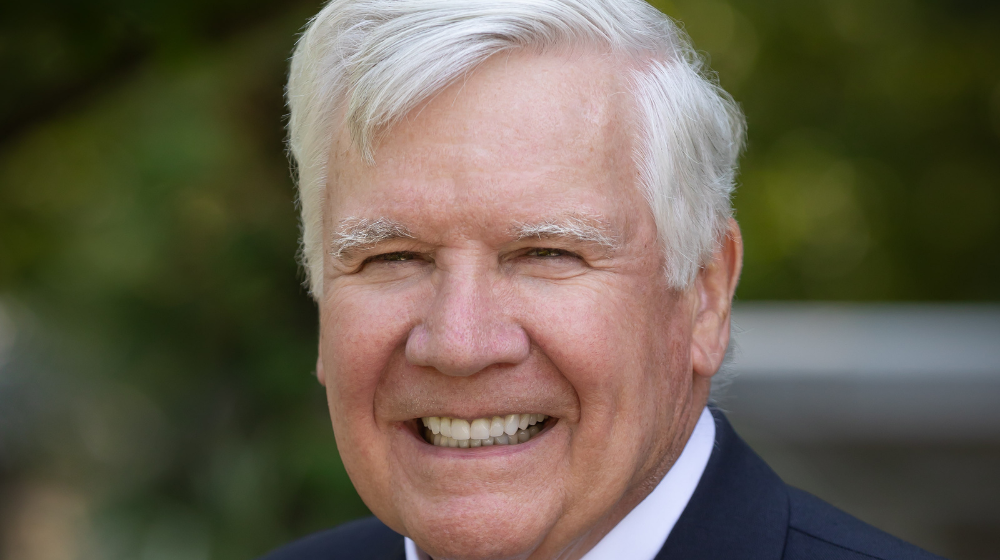
Donor Feature
Loyola is proud to announce a generous $750,000, two-year commitment from the Bedford Falls Foundation, through its donor-advised fund.
Loyola University Chicago is proud to announce a generous $750,000, two-year commitment from the Bedford Falls Foundation, through its donor-advised fund that establishes new nursing scholarships and strengthens the University’s award-winning nursing student success program.
Learn More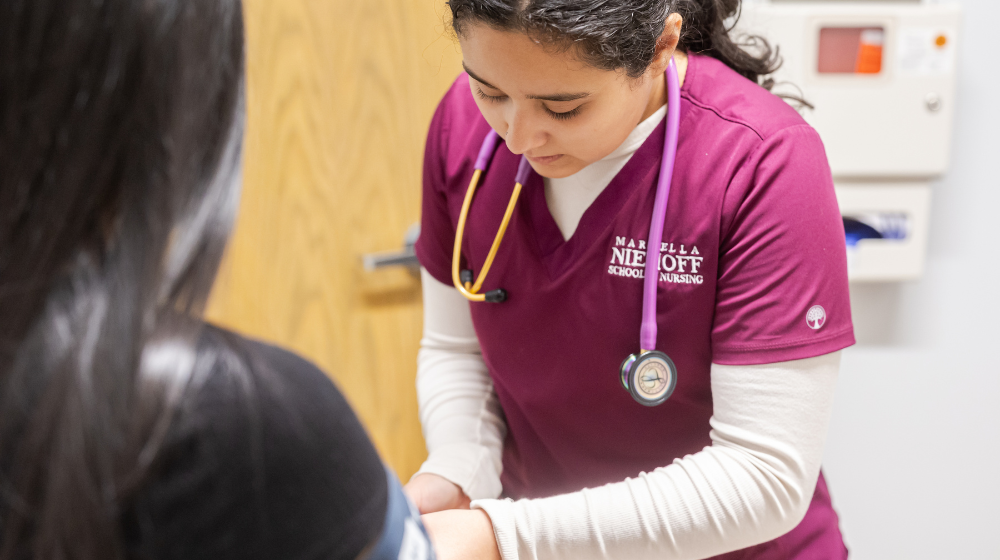
Donor Feature
Loyola University Chicago has received a $1.7 million gift from the Westlake Health Foundation
Loyola University Chicago has received a $1.7 million gift from the Westlake Health Foundation to sustain and strengthen programs at the School-Based Health Center (SBHC) at Proviso East High School in Maywood, Illinois.
Learn More
Donor Feature
Loyola University Chicago Receives $10 Million Grant to Support CENTERS
Loyola University Chicago, along with 15 partner Catholic colleges and universities, announced the launch of the Catholic Education Network to Enact and Resource Synodality (CENTERS), a collaboration to strengthen active listening, dialogue, and shared decision-making in the Catholic Church in the United States.
Learn More