Annual Teilhard de Chardin Lecture: Things Unseen: Theology, Science, and Ambiguous Futures in the Legacy of Teilhard de Chardin

Christiana Zenner
October 21
7 – 8:30PM
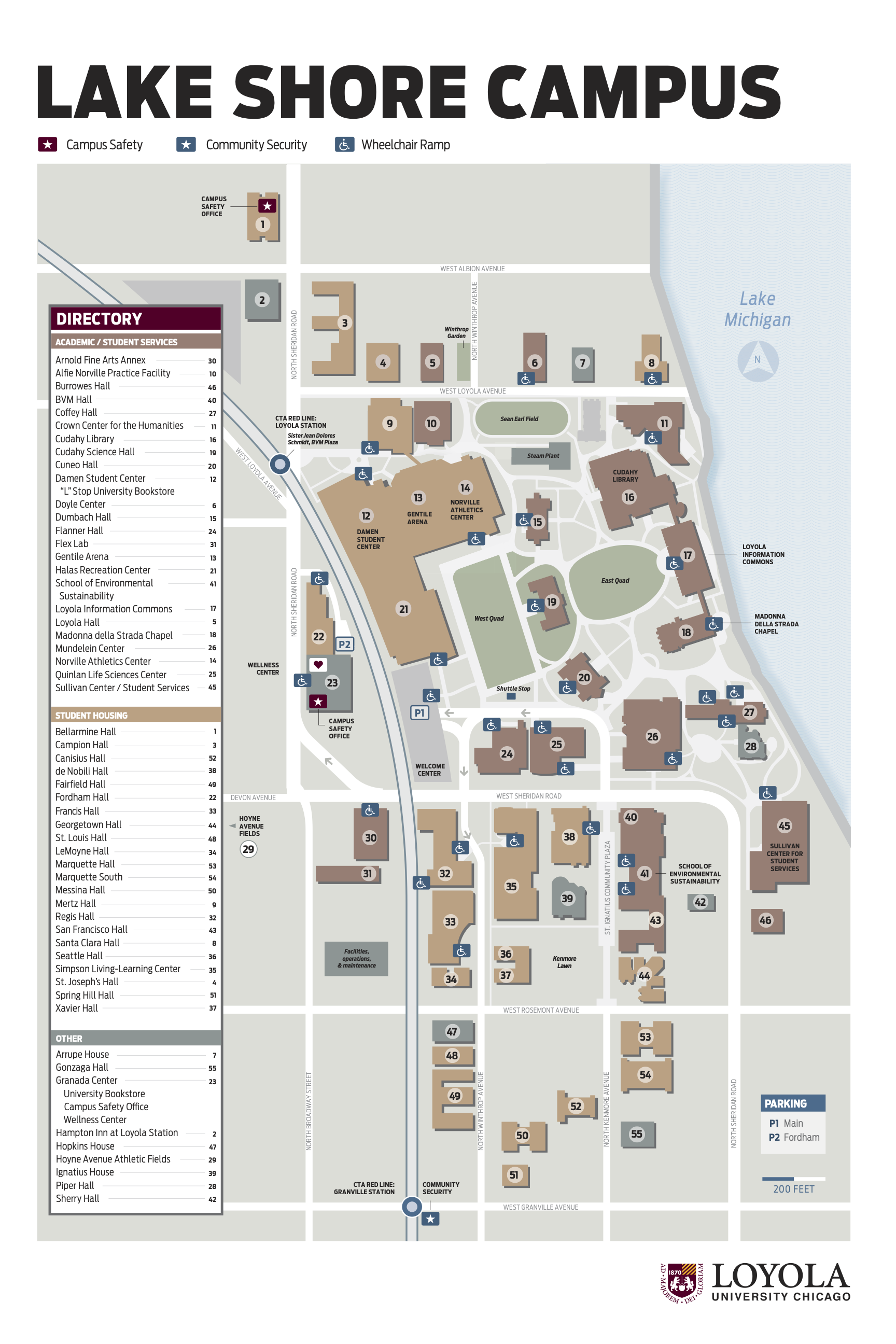
McCormick Lounge, Coffey Hall, Lake Shore Campus
Lecture
About Dr. Christiana Zenner
Campus Map and Parking Information
Lecture
The lecture will engage Teilhard's visions of theology, science, and society by paying specific attention to the afterlives of his thought. In particular, we will consider a framework for honoring important insights about science, teleology, and human purpose — while also recognizing major and interwoven challenges like extractive political economies, ecosocial degradations, and artificial intelligence. What might we learn from Teilhard's legacy? What are some ways forward? And what do theology, social ethics, and environmental science suggest about the pursuit of equitable futures?
About Pierre Teilhard de Chardin
Pierre Teilhard de Chardin, for whom this lecture is named, was a Jesuit paleontologist who developed an innovative synthesis of evolutionary science and Christian faith, drawing particularly on Pauline cosmic Christology. His dynamic theology rests on two fundamental principles: emergence and complexity-consciousness, which together describe how matter evolves toward greater organization and awareness. This vision invites us into a new, mutual God-world relationship energized by love. Teilhard's theological framework offers valuable orientation for navigating contemporary challenges marked by rapid technological and social transformation. His vision encourages engagement with the future characterized by hope and active participation in the ongoing creative process, grounded in a threefold faith: faith in God, faith in the world, and faith in God in and through the world.
This event is free and all are welcome.
About Dr. Christiana Zenner
Dr. Christiana Zenner is Associate Professor of Theology, Science and Ethics in the Department of Theology at Fordham University, where she is affiliated faculty in Environmental Studies and American Studies. Her research into emerging and established fresh water ethics as well as Anthropocene conceptualizations intersects with ecological theory, religious ecologies, developments in the earth sciences, and the ecological turn in Catholic social teaching. In all of her work, she strives to grapple with the deep patterns—both conceptual and institutional—that shape perception of cultural-religious moralities and frames of ecological-ethical perception; to demonstrate rigorous and responsible multidisciplinary approaches to contemporary eco-social realities, especially those pertaining to fresh water justice and climate change; and to articulate constructive, anti-colonial, intersectional feminist ways forward.
Campus Map and Parking Information