
Energy
Powering a university takes a lot of energy, which is why Loyola is continually working to reduce energy use across our campuses. Loyola’s Chicago-area campuses are powered by 100% renewable electricity, while investments in geothermal systems, energy-efficient buildings, and infrastructure improvements are helping reduce the University’s reliance on fossil fuels and build a more sustainable campus.
100% Renewable Electricity
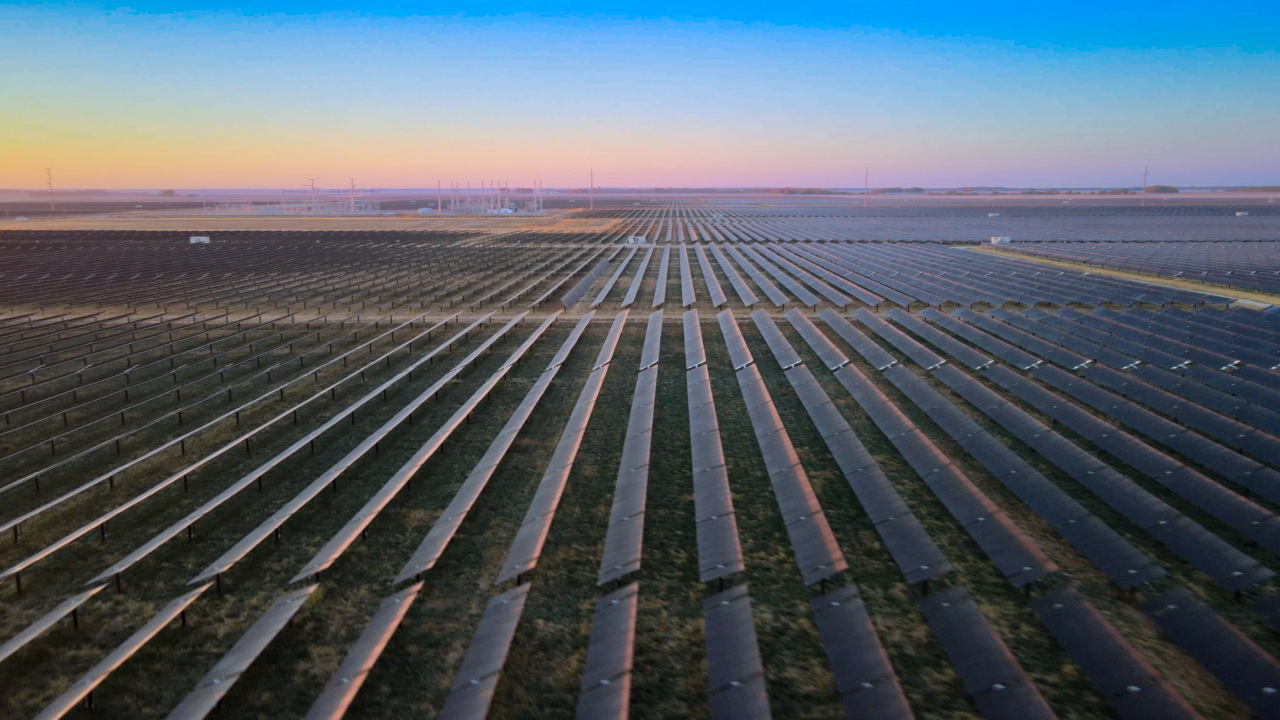
As of January 2025, 100% of the electricity used by Loyola’s Chicago-area campuses is supplied by renewable solar energy through the Double Black Diamond Solar project in central Illinois.
Loyola entered into a 12-year agreement supporting the development of the 593-megawatt solar farm, with Loyola’s 38-megawatt share sized to match the University’s Illinois-based electricity use. The project represents one of Loyola’s largest investments in renewable energy and played an important role in achieving the University’s carbon neutrality goal.
Beyond providing clean electricity, the partnership creates opportunities for Loyola students and faculty through access to project data, site visits, guest lectures, and other educational experiences.
Learn more about Loyola’s 100% renewable electricity and the Double Black Diamond Solar project
Geothermal Energy
Loyola is also looking beneath our campuses for cleaner ways to heat and cool our buildings. Geothermal, or geo-exchange, systems use the relatively stable temperature underground to efficiently transfer heat into and out of buildings, reducing reliance on conventional heating and cooling systems.
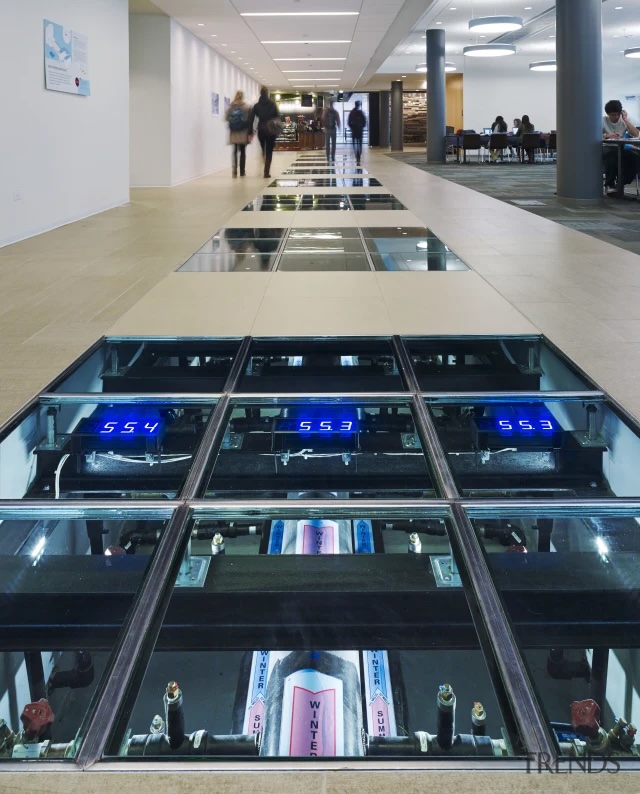
Loyola currently operates geothermal systems at the Lake Shore Campus and Loyola University Retreat and Ecology Campus (LUREC). The School of Environmental Sustainability is supported by one of the largest geothermal systems at a Chicagoland school, with a well field located beneath the 217,000-square-foot building.
In 2024, Loyola expanded its geothermal infrastructure at the Lake Shore Campus with 22 new geo-exchange wells between Sullivan Center and Piper Hall. The system serves Piper Hall and was designed with future development along the lakefront in mind.
These investments are an important part of Loyola’s long-term strategy to reduce fossil fuel use and decarbonize campus buildings.
Learn more about geothermal energy at Loyola
Building Smarter
Clean energy is only part of the equation. Reducing the amount of energy our buildings need in the first place is an important part of Loyola’s approach to sustainability.
Loyola incorporates energy efficiency into both new construction and improvements to existing buildings. University policy requires new buildings to meet LEED Silver certification or better, with an emphasis on energy-related credits. Across existing facilities, Loyola continues to pursue projects that improve building performance, including building-envelope improvements such as insulation and window replacements, upgrades to heating and cooling systems, and other energy conservation measures.
Building automation systems also help Facilities monitor and manage building systems across campus, allowing Loyola to balance energy performance with the comfort and needs of the people who learn, work, and live in our buildings.
Learn more about Loyola’s sustainable buildings and LEED certifications
Moving Toward Decarbonization
Transitioning to renewable electricity was a major step, but Loyola’s energy work does not stop there. The University continues to evaluate opportunities to reduce the use of natural gas and other fossil fuels in campus buildings through electrification, geothermal expansion, energy efficiency, and other building improvements.
This work is part of Loyola’s broader commitment to reducing greenhouse gas emissions and is helping shape the next generation of the University’s Climate Action Plan.