Food and Dining
Loyola is working to build a more sustainable campus food system by considering how food is grown and sourced, what choices are available, and what happens to food that goes uneaten. Through responsible purchasing, plant-forward dining, urban agriculture, food recovery, and more, we’re working to reduce the environmental impact of food while supporting a healthier and more equitable food system.
Sustainable Food Choices
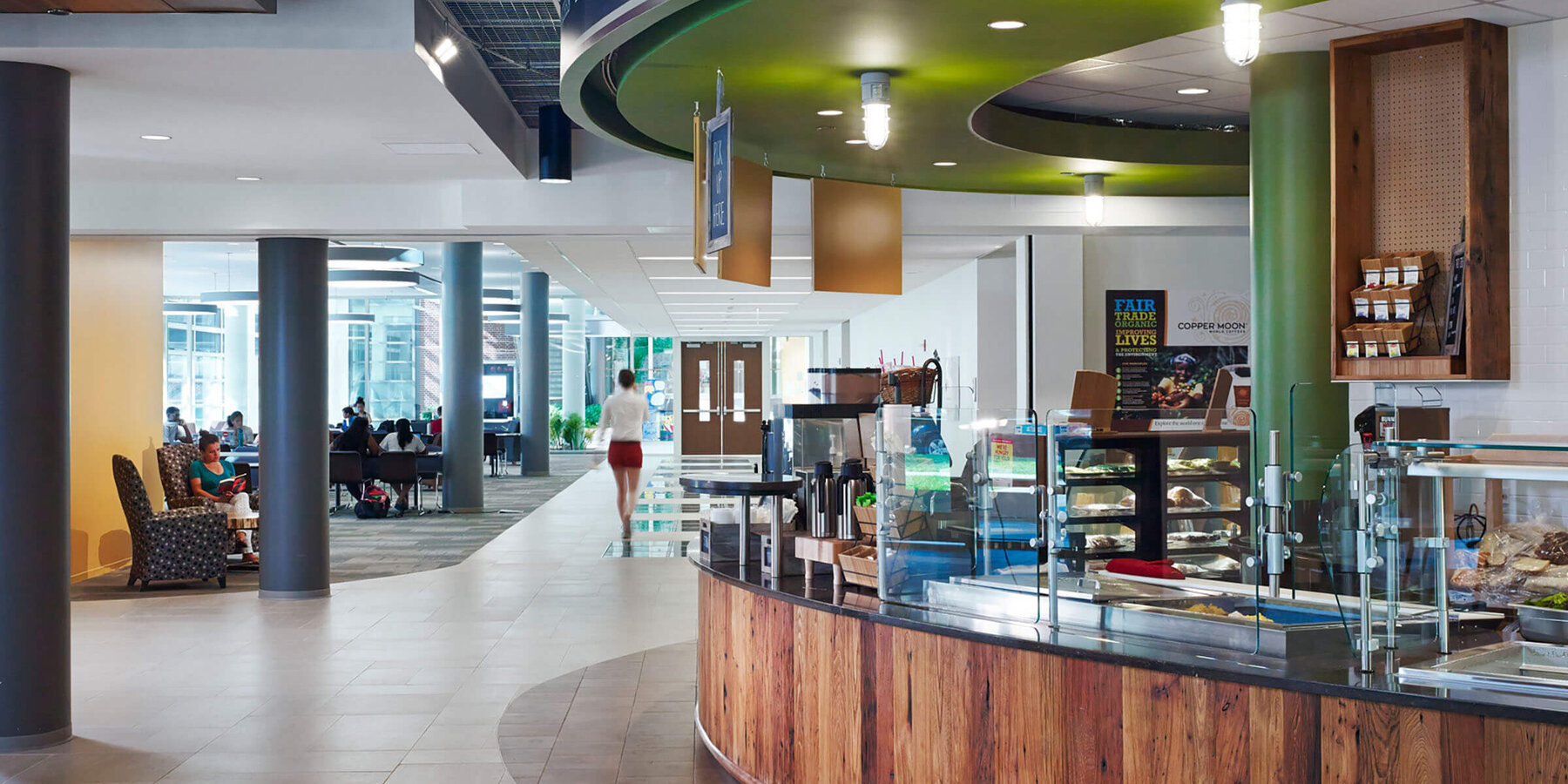
Making sustainable food choices should be easy. Loyola Dining offers a variety of plant-based and plant-forward options across campus, giving students choices that can help reduce the environmental impact associated with their meals.
Loyola also works with our dining partners to consider sustainability in food purchasing and sourcing, including opportunities to increase responsibly produced, local, and environmentally preferable food.
Urban Agriculture
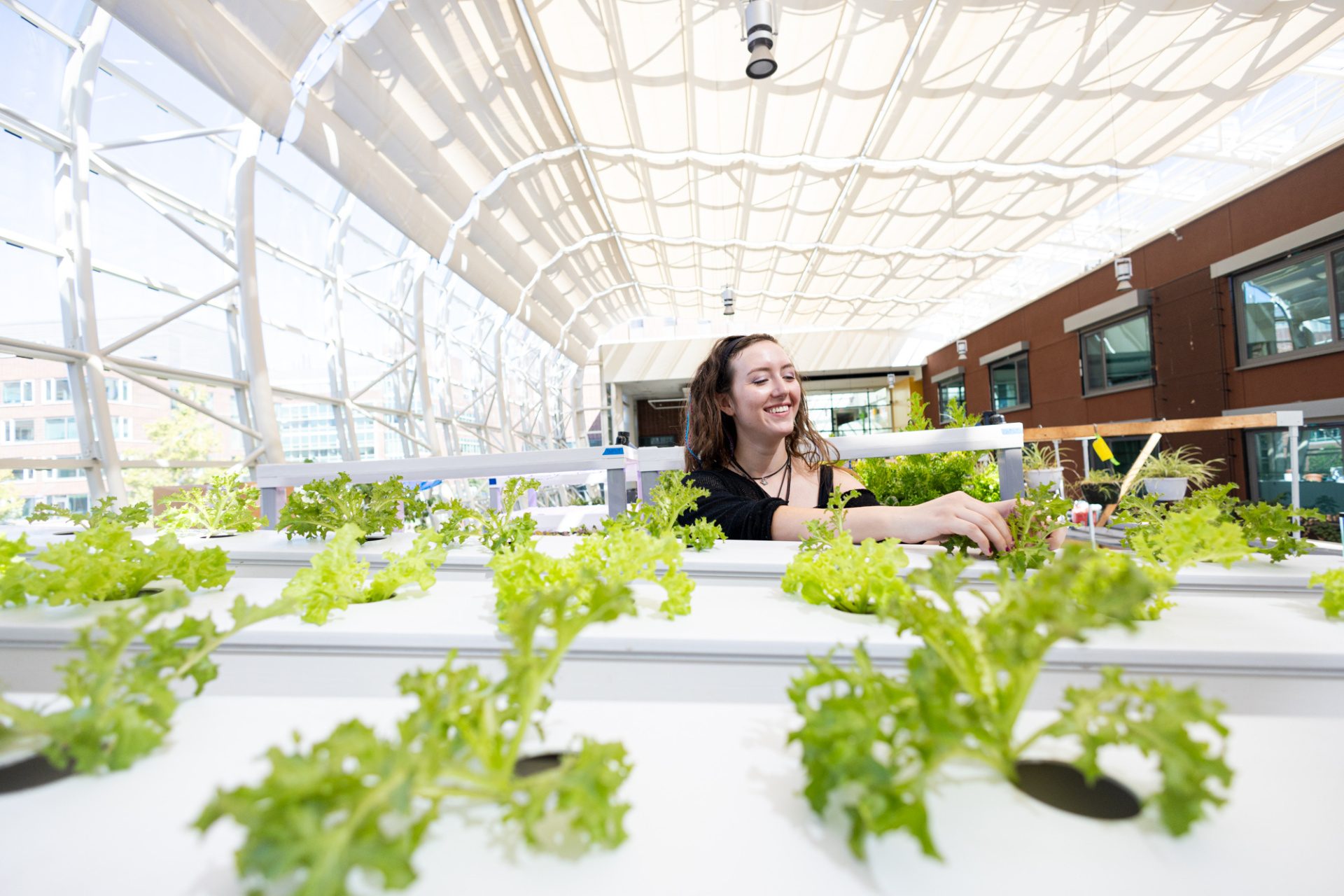
Loyola brings sustainable food production directly to campus through the Urban Agriculture Program at the School of Environmental Sustainability. Students gain hands-on experience growing food while learning about sustainable agriculture, local food systems, and the environmental and social impacts of how our food is produced.
Food grown through the program helps connect our campuses to the broader food system and demonstrates how urban spaces can be used for sustainable food production, education, and community engagement.
Recovering Surplus Food
When good food is left over, Loyola works to put it to good use rather than throwing it away. Through partnerships and student-led efforts, surplus food from campus dining and events can be recovered and redistributed to help address food insecurity.
Food recovery connects two important goals: preventing edible food from becoming waste and helping ensure that food reaches people who can use it.
Learn more about food recovery at Loyola.
Composting Food Scraps
Not all food can be eaten or recovered. For food scraps and other organic materials that remain, composting provides an alternative to sending them to a landfill.
Loyola collects food scraps from dining operations for composting, where organic material can be transformed into a useful soil amendment. Students can also participate through Loyola’s Compost Bucket Program, which provides a way to compost food scraps from residence halls and apartments.
Closing the Loop with Biodiesel
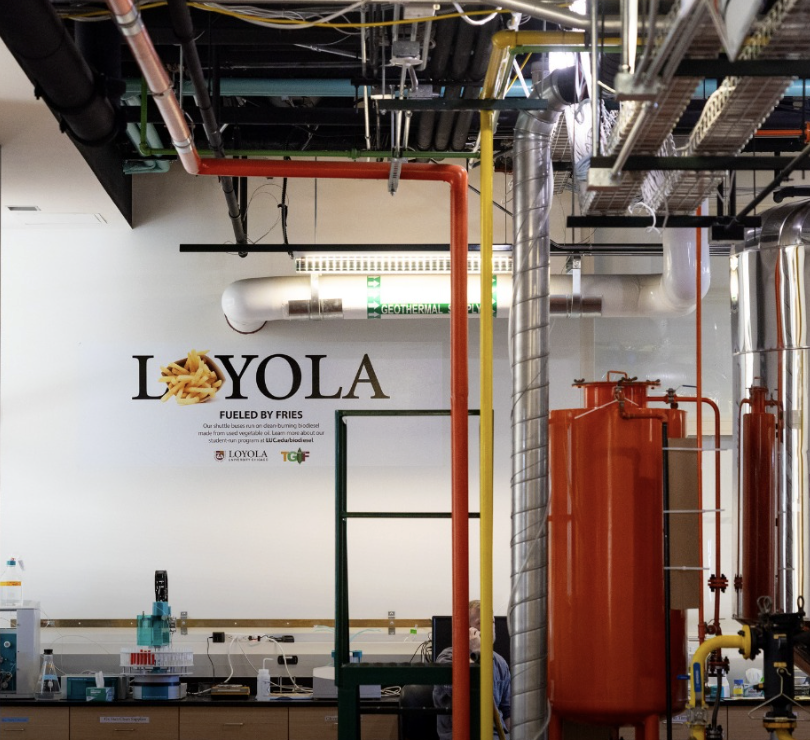
Even used cooking oil can become a resource. Loyola collects waste vegetable oil from campus dining operations and transforms it into biodiesel through a student-driven program at the School of Environmental Sustainability.
The biodiesel produced on campus helps fuel Loyola’s intercampus shuttle fleet, turning a dining waste product into renewable transportation fuel while providing students with hands-on learning and research opportunities.