
archive
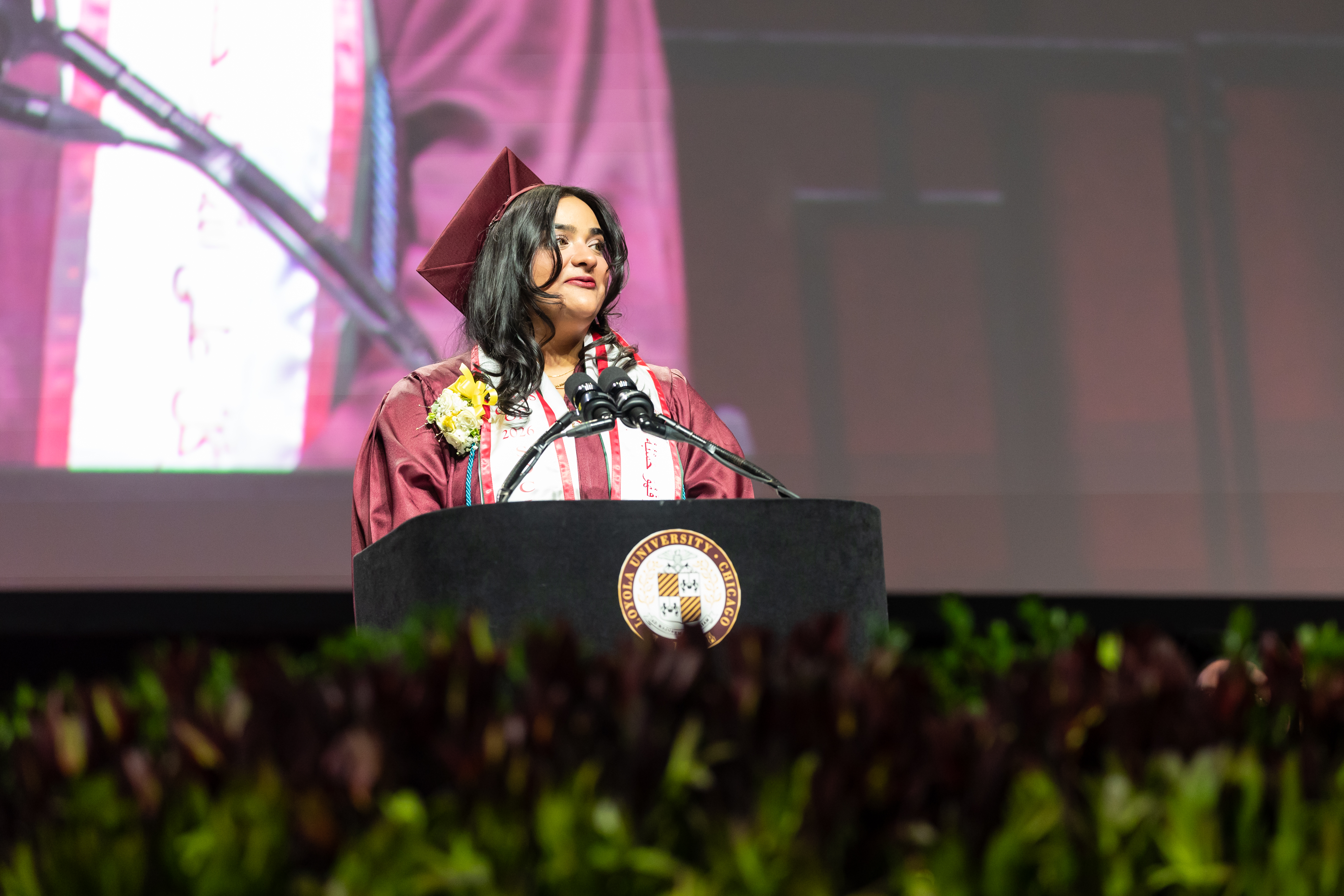
Noor Paracha Hayat Found Home at Loyola
Noor Paracha Hayat gave the student address at the School of Social Work's commencement ceremony in May 2026, reflecting on her journey that led her to Loyola.
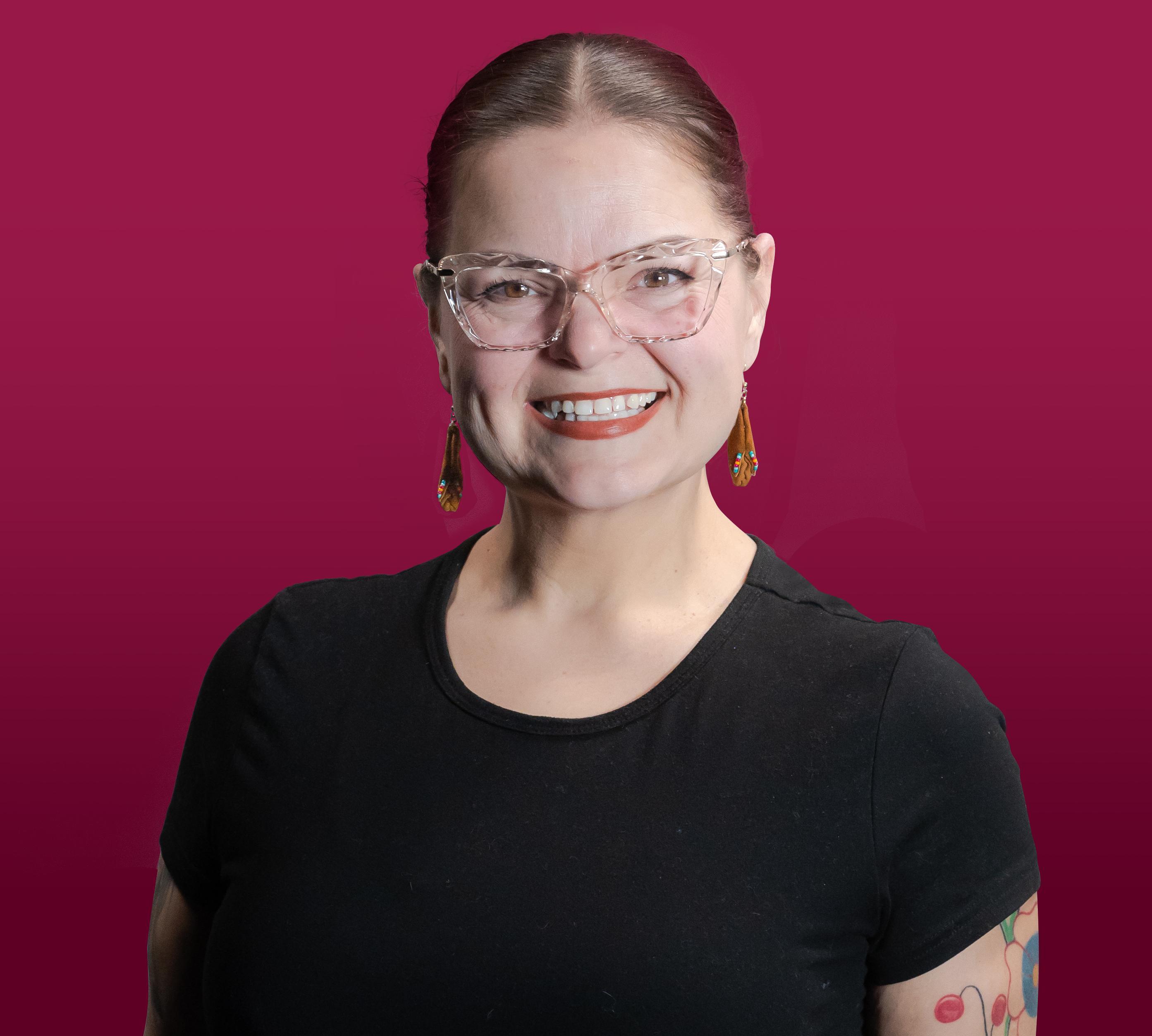
Ren Horst Awarded 2026 President's Medallion
As this year’s recipient of the President’s Medallion, Ren is recognized not only for her academic excellence, but for the lived experience, cultural grounding, and unwavering purpose that inform her work in social services.
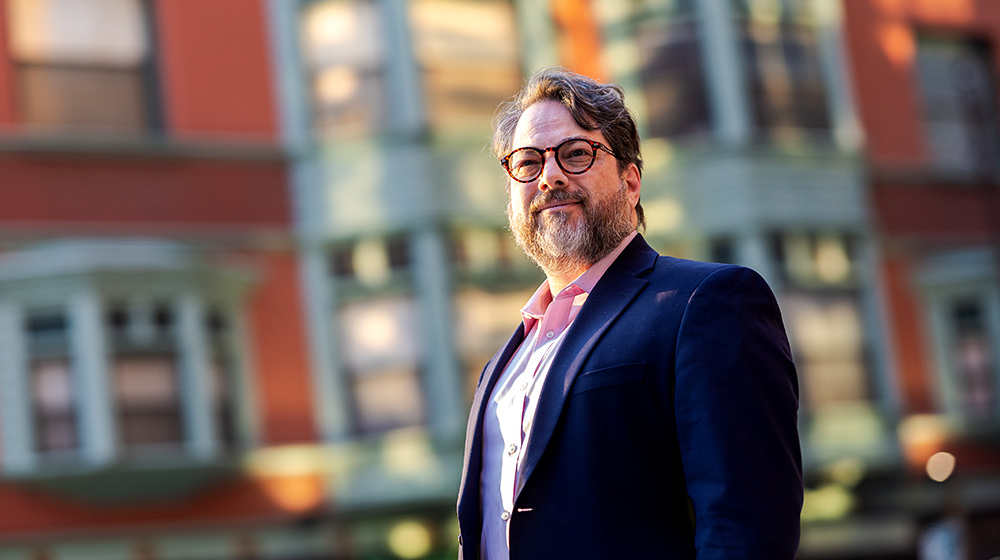
Loyola professor spotlights mental health on campus
As demand rises for mental health resources on college campuses, Loyola serves students with evidence-based resources. School of Social Work Professor Jonathan Singer, Ph.D. is leading the way.
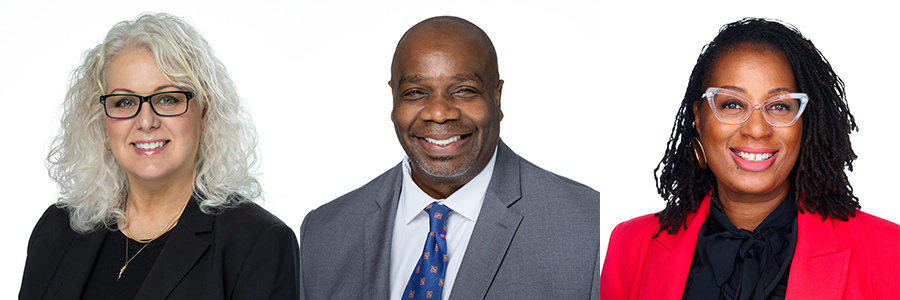
Introducing Three New Faculty Members
We are pleased to welcome three outstanding scholars and educators as new full-time faculty members: Shannon Dunn, Ph.D., Amzie Moore II, Ph.D., and LaTasha Smith, Ph.D. Each brings a deep commitment to social work education, innovative research agendas, and a passion for teaching and mentorship that aligns with Loyola’s mission and values.
SSWR Conference 2026 Presentations
More than 40 presentations from School of Social Work faculty, students, and alumni were accepted for presentation at the Society for Social Work and Research Conference 2026. Find out when and where you can see them.
Building Bridges Through Bilingual Social Work
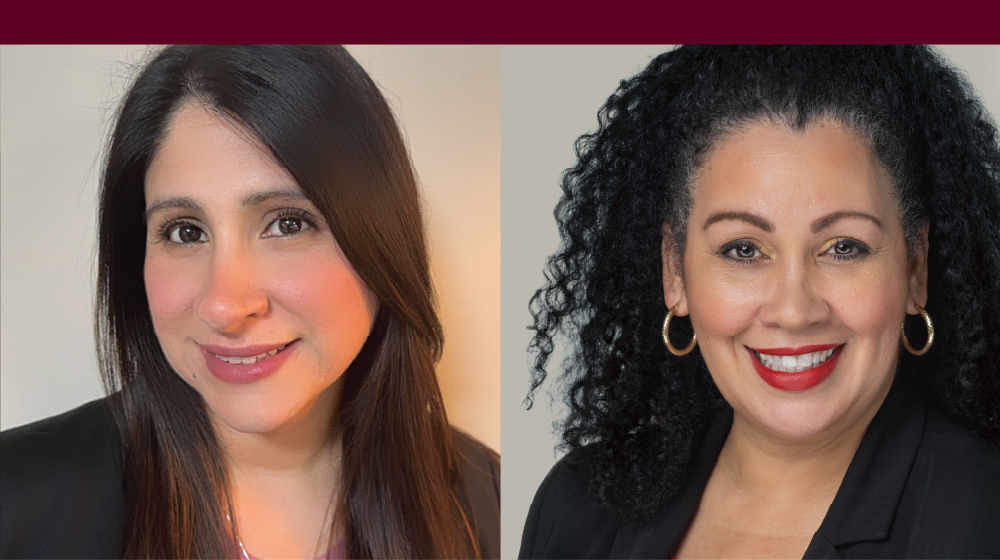
Loyola University Chicago’s Online Bilingual Master of Social Work (MSW) program is preparing a new generation of compassionate, culturally responsive social workers capable of navigating systemic barriers and providing critical care in both English and Spanish.
Dr. Abha Rai Named Top 2% Scientist
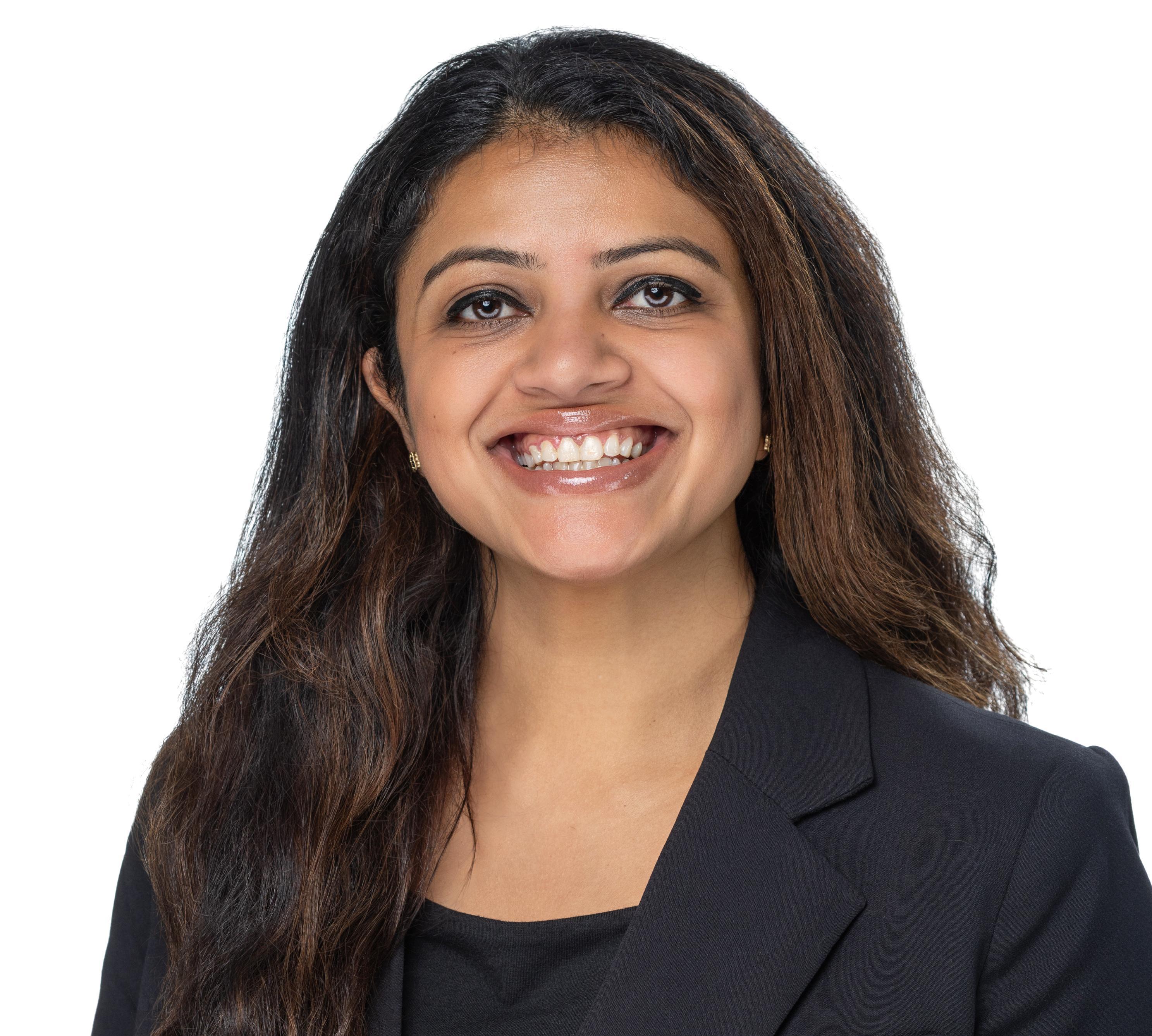
Assistant Professor Abha Rai, Ph.D., MSW was recently named to the prestigious Stanford/Elsevier Top 2% Scientist List for 2025, a global ranking that honors the world's most influential researchers.

CADC Grant Renewed
The School of Social Work is excited to announce a $452,000 grant for the Certificate in Alcohol and Other Drug Counseling (CADC) Workforce Expansion Program. The grant was renewed for the third year by the Illinois Certification Board and the Illinois Department of Human Services/Division of Substance Use Prevention and recovery.

Serving Those Who Served: A Day in the Life of a VA Social Worker
Join us November 5 for our panel discussion collaboration with Military Veteran Student Services and the Jesse Brown Veterans Association.

Behavioral Health Simulation Lab's Grand Opening
Loyola University Chicago’s School of Social Work celebrated the grand opening of its new Behavioral Health Simulation Lab on Friday, October 17, marking a major milestone in the University’s commitment to advancing behavioral health education and training.

Maribel Lopez, Ed.D. Recognized with President's Volunteer Service Award
Professor Maribel Lopez was recognized with the prestigious award in May for her impressive volunteer work

Goutham M. Menon, PhD, Appointed Dean of the School of Social Work
Goutham M. Menon, PhD, has been appointed as the dean of the School of Social Work. He will join Loyola on July 1 from the University of Nevada-Reno, where he serves as director of the School of Social Work.

Awards
Benjamin Marton: Empowering youth to be advocates for change
Marton, who is one of this year's President's Medallion recipients, is studying for his master’s degree in social work, serves as a graduate and research assistant for two professors, is the president of the School of Social Work Student Organization, and works several days a week as an intern at Loyola Community and Family Services.

Active alumni presented with Damen Award
Licensed social worker Daniel Kill is a long-time advocate for mental health

Social Work: the 21st Century's Law Degree
"Social work education is the future of all academic teaching, even if most academicians don’t know it yet. It mixes training in social theory with mandatory hours of work in the field, putting those theories decidedly into practice -- something that most students clamor for."

SSW Alum and Adjunct Faculty Member Honored as Emerging Leader of the Year
In celebration of Social Work Month, Loyola SSW's very own Sarah Buino has been honored as the Emerging Leader of Year by the National Association of Social Workers (NASW)-Illinois Chapter for her exceptional work as a clinician and leadership in promoting social justice and social change.

Loyola Faculty, Staff, Students and Alumni Present at the Society for Social Work and Research Annual Meeting
Join us during the SSWR 23rd Annual Conference in San Francisco, CA from January 16 - 20, 2019. Attend to our faculty, students and alumni talks. We have included a copy of the presentations. On January 18, our school will be hosting a reception and we hope to see you there.
Search LUC.edu
Susan Grossman's Legacy at Loyola: A Beacon of Social Justice Advocacy and Education

By Allyson Hamzey
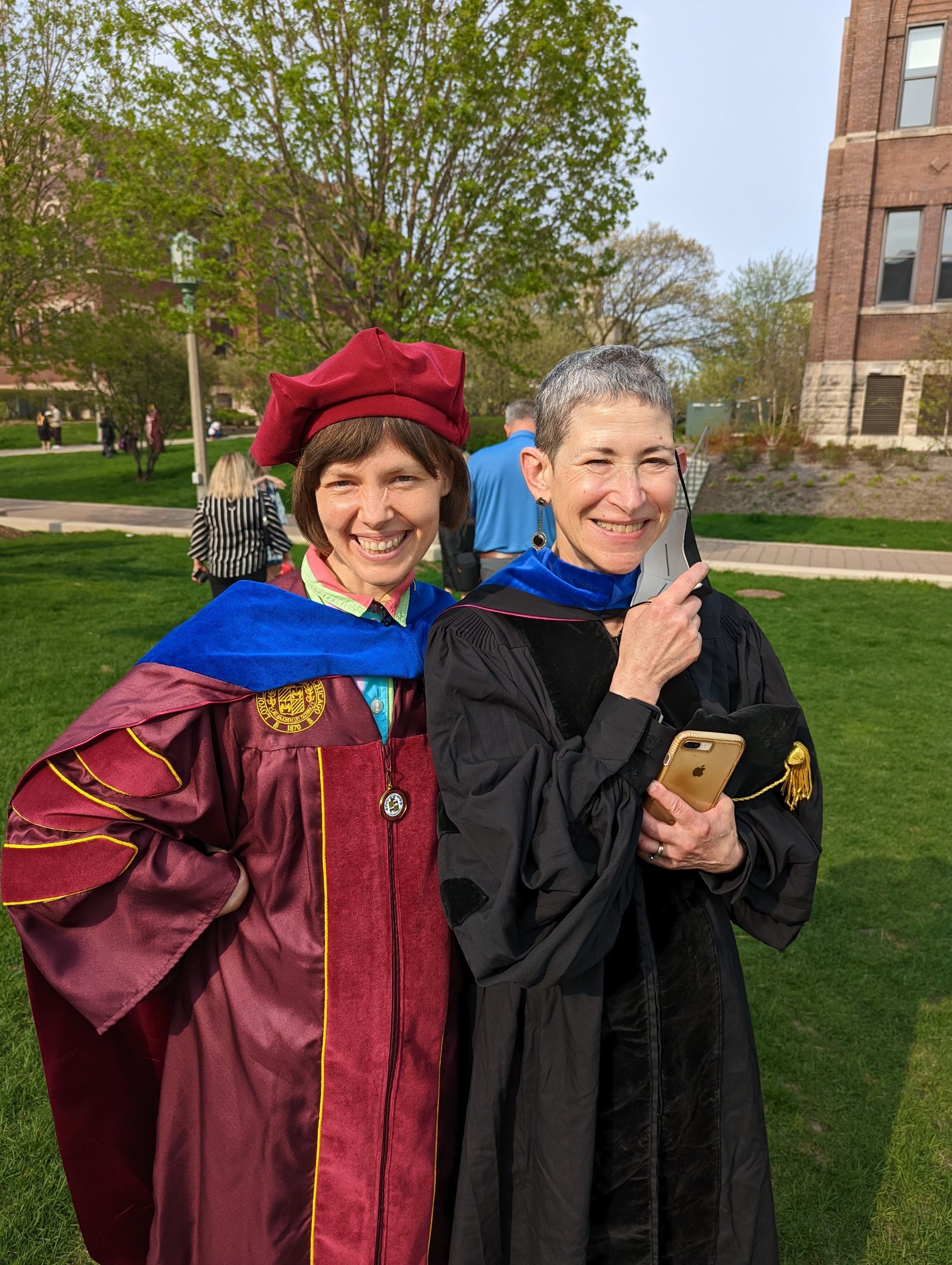
Spanning over two decades at Loyola University Chicago, the career of Susan Grossman, PhD, is distinguished by her advocacy for social justice and her exceptional influence as an educator. Grossman is a professor in the School of Social Work and associate dean in the Graduate School who is about to embark on her retirement.
“She's the kind of professor you always hope students will have a chance to be in front of,” says School of Social Work Dean James Marley, PhD, upon reflecting on the legacy of Grossman at Loyola.
What does it take to create a teacher sought out by students? A mixture of a justice-mindset, her holistic care, and an ability to distill complicated topics in simple ways all combined to make Grossman a beloved professor, according to Marley.
“Students loved her. There was never an issue with Susan's classes not filling up, even for ones that were seen as traditionally less interesting — I think it’s a sign of her special teaching style and her connection with folks,” he says. “She’s someone sought out by students.”
EDUCATIONAL JOURNEY:
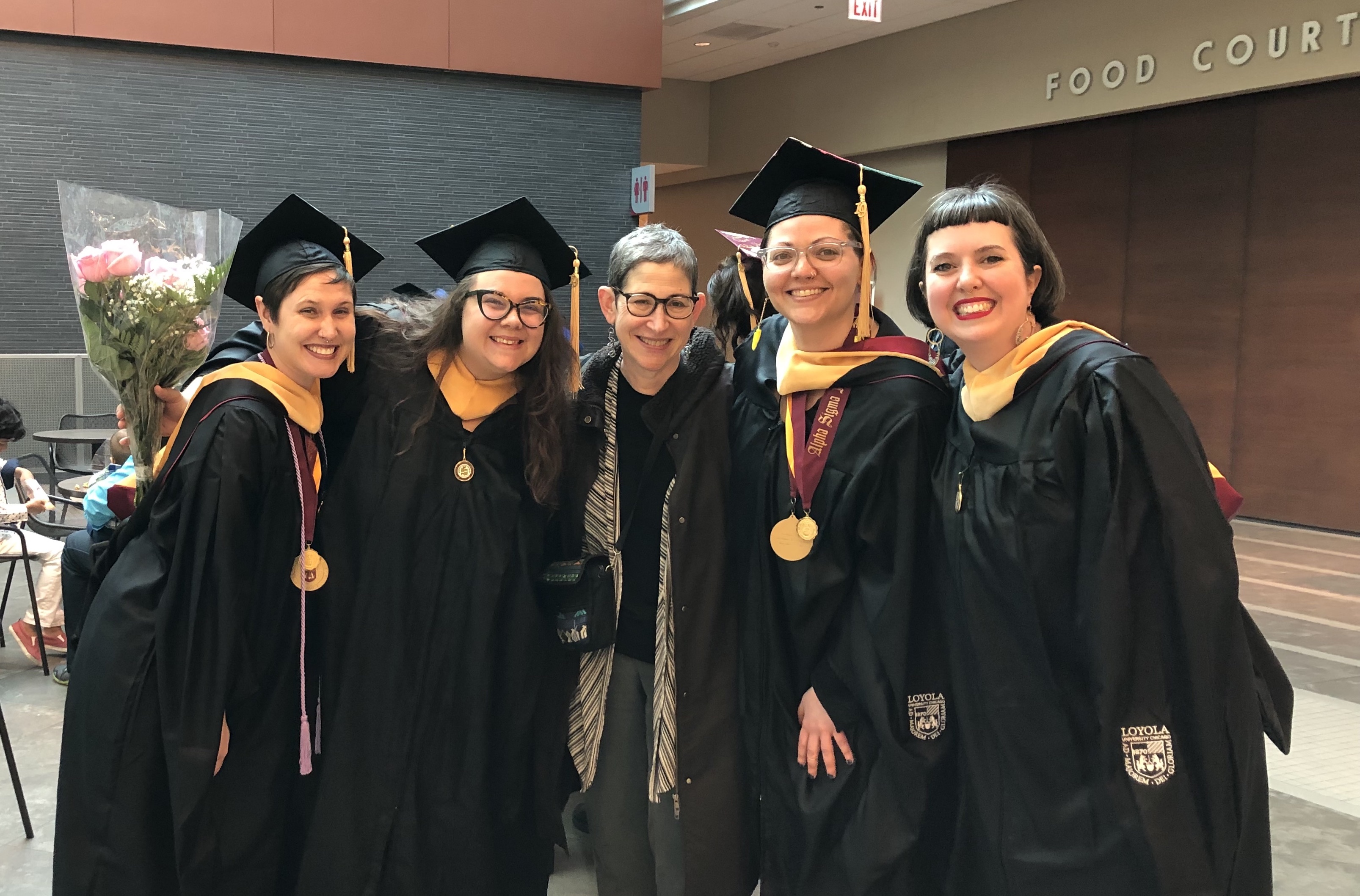
Grossman’s journey began with a BS in education from Northwestern University, followed by an MA and PhD from the University of Chicago’s School of Social Service Administration, Grossman’s advocacy focused on a range of social issues, including homelessness, gang violence, and advocacy for older adults.
Her choice to join Loyola was influenced by the university’s commitment to social justice and the kindness of colleagues like Jeanne Sokolec from the BSW program, who confirmed she was in the right place by extending support as she began teaching. She notes that this kindness was “representative of the people and the atmosphere [at the School]” when she came, and of faculty members who tended to stay for a while—for a reason.
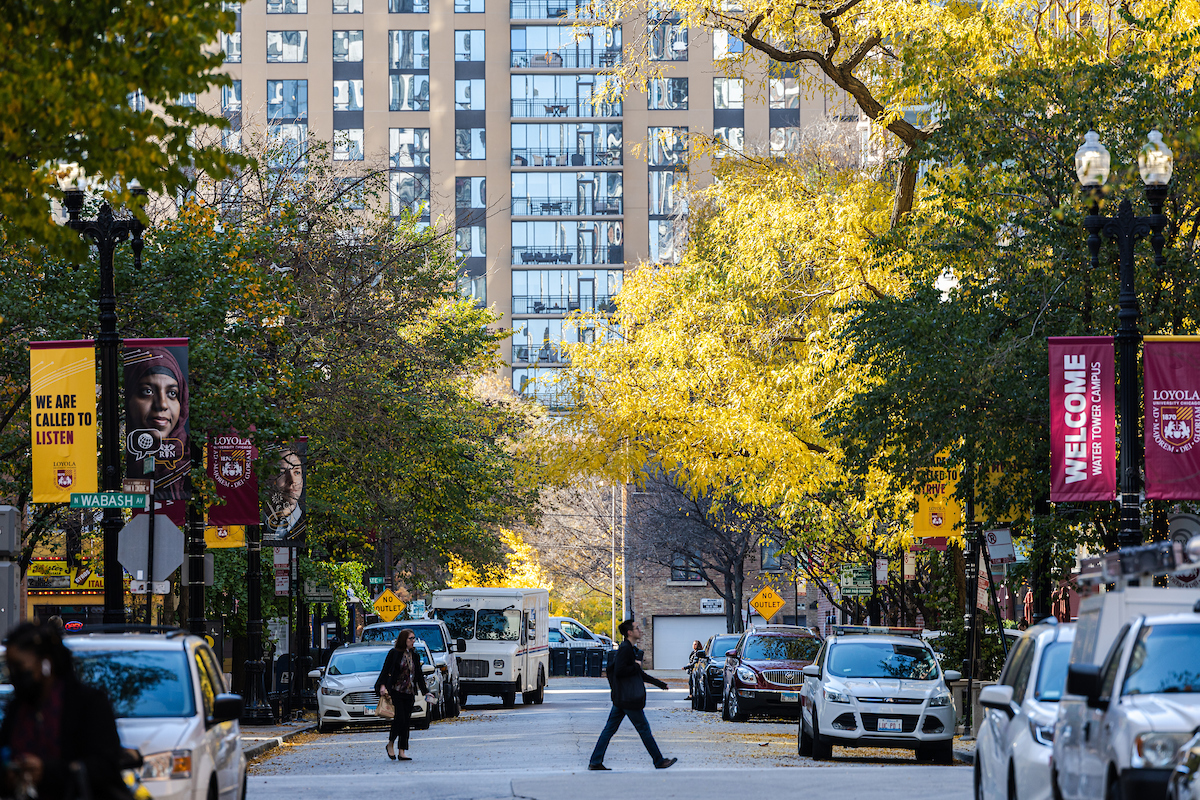
In her early Loyola days, Grossman found that social justice was a central value of the University—a principle she still finds to be alive and well at Loyola today.
“At Loyola, the school of social work was like king at that time because that was the mission of the school,” she remembers. “I loved that about Loyola.”
LOYOLA CAREER AND BEST MOMENTS:
Grossman kicked off her Loyola career by teaching courses on social welfare policy, community organizing, and research methods, which she notes “were not her students’ favorite classes” initially.
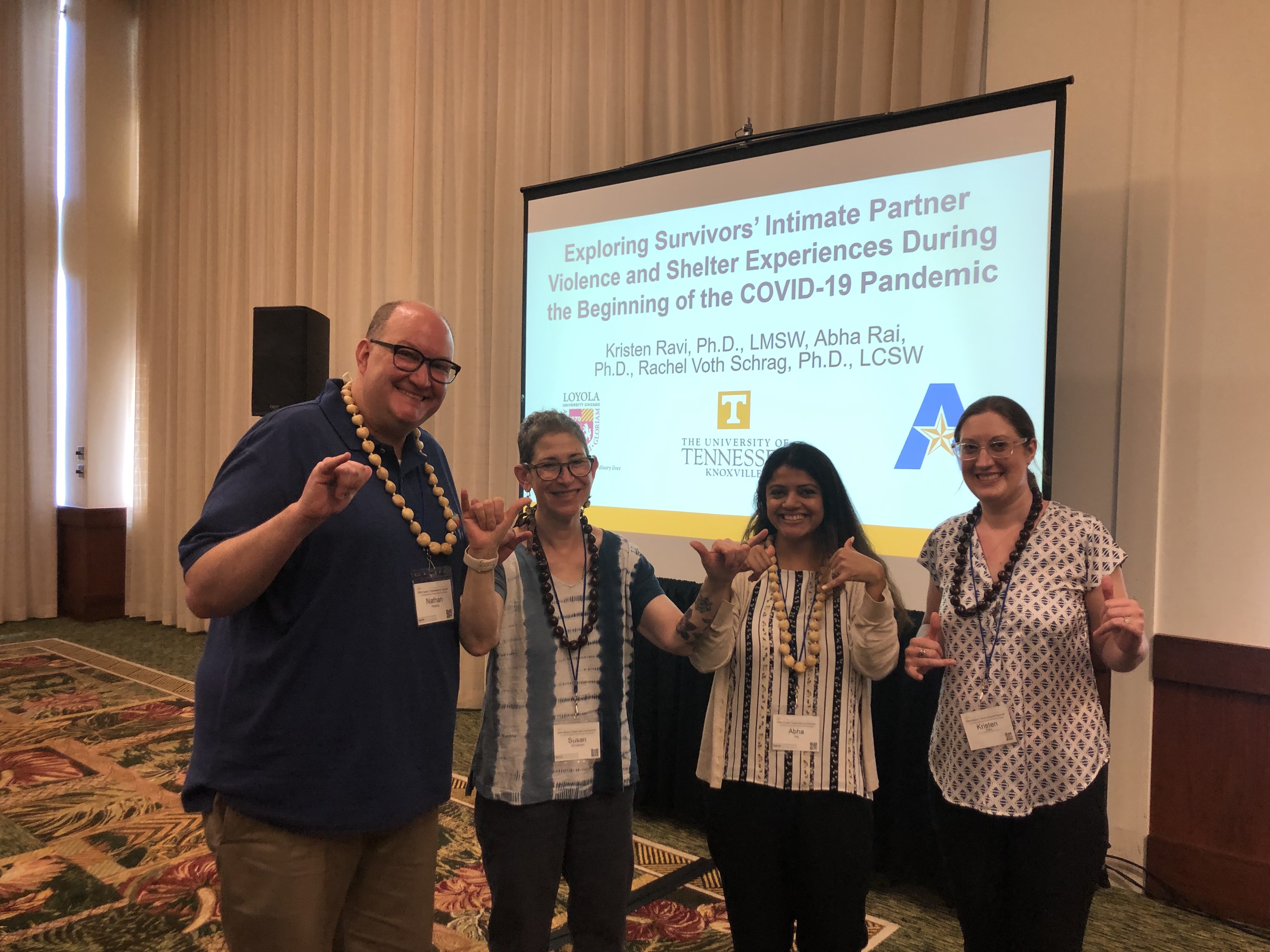
Her horizons expanded at Loyola as she collaborated with Marta Lundy, her mentor who she co-wrote with and even co-developed the School’s dual degree in social work and gender studies with. She reflects on this as “one of the nicest things about her time” at Loyola
Her research methods class in the program provided an enlightening moment of personal and professional growth.
"We talked about research from a feminist lens, and there were many things that the students raised that I hadn't thought about in a certain way — like being a White woman and where I positioned myself,” she says.
She also played a pivotal role in incorporating social work into the Center for Urban Research and Learning, or CURL: “Susan was a very early social work faculty person finding ways to incorporate that connection with CURL and bring social work into the fold,” Marley says.
Watching the doctoral students master their social work practice brought Grossman joy as students engaged deeply and truthfully in their research.
“It's like all of a sudden they understand what it is they have to do and why they had to take a research methods class,” she says.
SOCIAL WORK PHILOSOPHY:
“Social work is a great job because it combines both changing individuals with changing the larger social structures in which they operate,” she says. “I don't believe that one can happen without the other.”
She highlights the critical importance of altering social structures as a vehicle for meaningful change: “What I like about social work is that it considers not just the individual, but also the environment and systems that affect the individual.”
“You can do lots of things to help people who are in situations where they're facing poverty, violence, racism or oppression cope with those situations— but unless you change the circumstances in which they're living, it's not going to work,” Grossman says.
Social work skills are ones you can apply in a variety of contexts outside the profession, according to Grossman—building more well-rounded individuals inside and outside the classroom. This is particularly timely in the field today, given that “there are more students interested in policy and advocacy" today than before, she notes.
ADVICE TO STUDENTS:
Grossman’s advice to incoming social work students is both pragmatic and inspiring:
“You may not find the job that you started off wanting to find, but the skills that you have will serve you in any job and you will get there.”
Her previous nickname, “little clinician,” symbolizes the invaluable lifelong skills of listening that she carried over from her job to her everyday life, despite no formal clinical training.
“It's important that we help each other, and that value is something that as social workers, students can channel to bring about change,” she says.
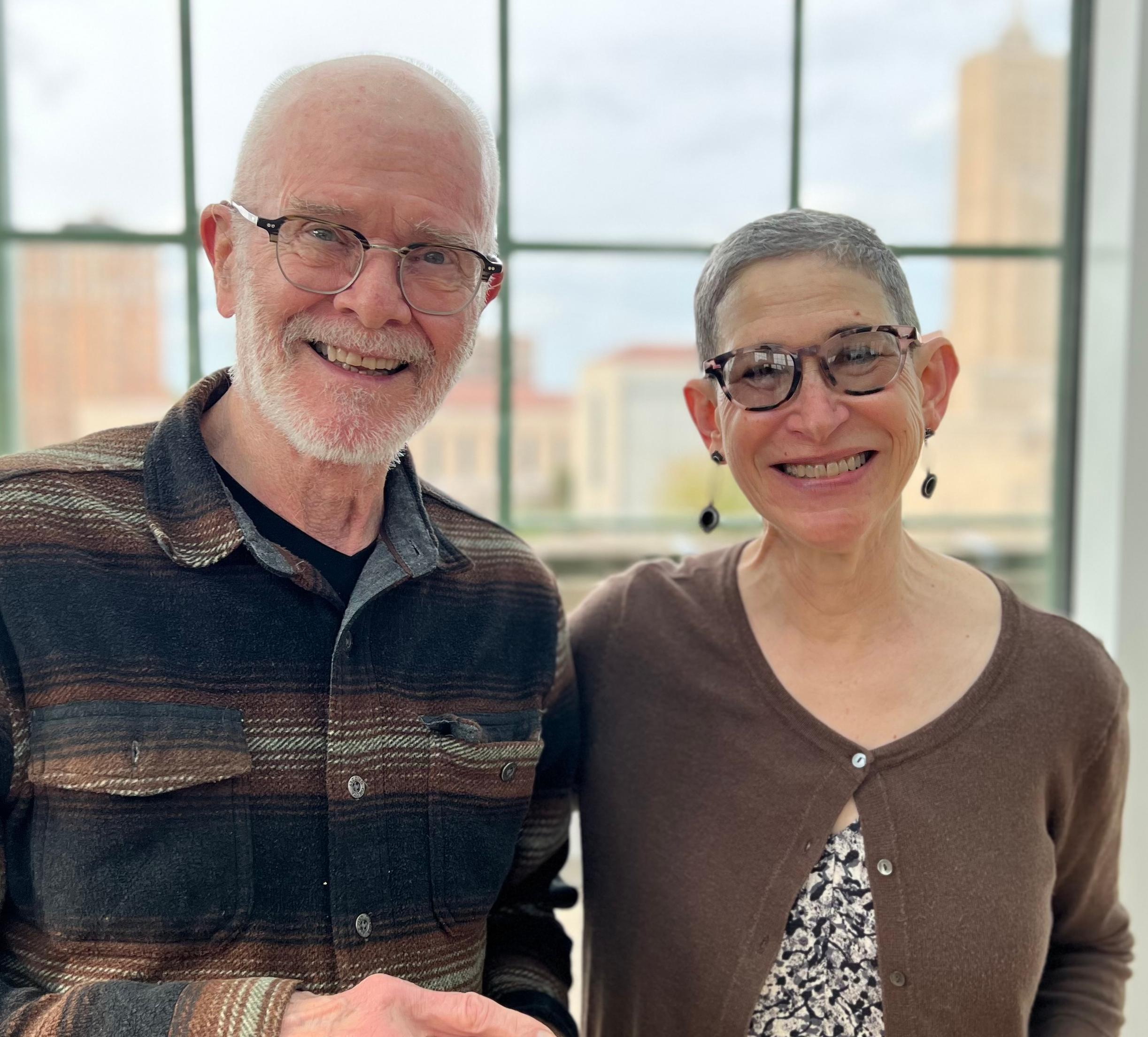
Grossman with Tom Kennimore, a friend and faculty member in the School of Social Work.
COLLABORATION AND CHANGE:
Spanning a 26-year-long collegial relationship, Marley speaks with deep respect and admiration for his longtime colleague, particularly highlighting her tenure as interim dean. He notes Grossman was the glue that kept the school together with her “collaborative and collegial” approach.
“She's got great leadership skills. She won't tell you that—but I think she knows how to manage things well, manage multiple opinions and deal with the occasional conflict.”
Describing her as a humble leader, an astute observer, and consistent collaborator, Marley sung high praise for Susan.
He commends her role in initiating the School’s collaboration with CURL and her efforts in establishing a supervised visitation center at Loyola, which assists parents in complex custody situations.
"She approaches policy, like with the CURL or her scholarship on homelessness the way that you always hope people would approach policy—which is: ‘Let's see what the information and the data tell us,’” he says.
Beyond her professional contributions, Grossman embodies the Jesuit value of cura personalis. During difficult periods of loss in Marley’s life, Grossman served as a compassionate colleague.
“To me, she’s a faculty’s faculty person, and a colleague’s colleague,” he remarks. “She's always been justice minded, and she always treats people very fairly — as students, doctoral students, faculty, staff. She felt that everyone had a role to play.”
Her blend of passionate advocacy, humble leadership, and dedicated teaching has not only made a lasting impact on the field of social work but has also left lasting impacts on the lives of countless students and colleagues at Loyola.