
Finding Stillness Inside Cook County Jail
A Loyola professor’s trauma-responsive program is helping incarcerated women heal.
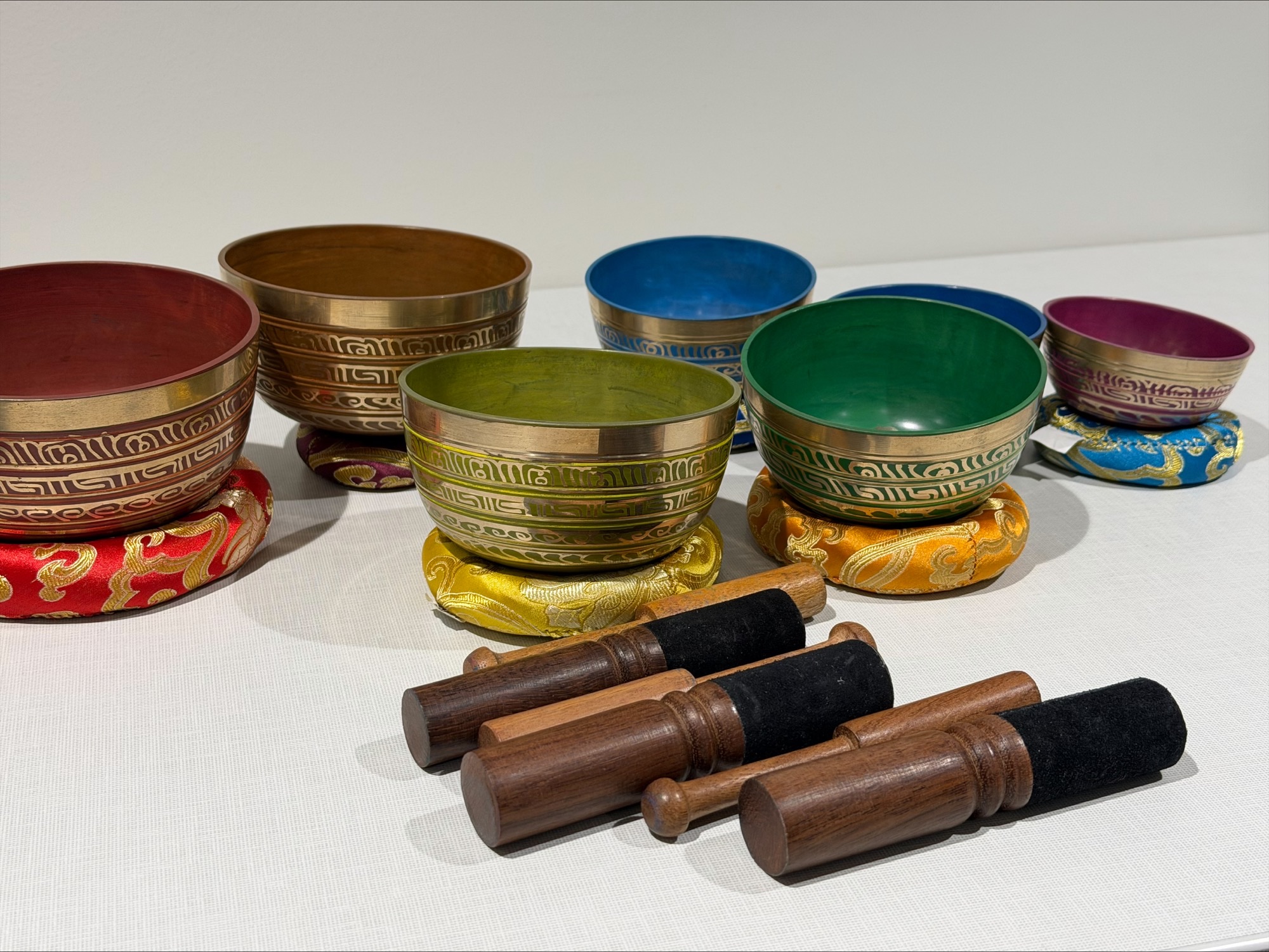
On Monday mornings at Cook County Jail, the noise doesn’t let up. Correctional officers shout, voices echo, and a toilet flushes a few feet from where a circle of women sits. Then a Himalayan singing bowl rings, the group breathes in together, and the room changes.
“You hear the officers, but in that room, there’s silence, and it’s so powerful,” says Lu Rocha, a licensed clinical social worker who co-facilitates the program.
That room is where EMPOWER happens. Dr. Marquitta Dorsey, an associate professor in Loyola University Chicago’s School of Social Work, co-created the eight-week program and designed a mixed method study to examine its effectiveness. The name stands for Engaging Momentum, Perseverance with Outstanding Wisdom, Excellence and Resilience. It aims to make healing from trauma both an individual and a collective journey.
“Trauma and chronic stress can emerge from interpersonal experiences while also being produced and intensified by institutional practices, structural inequalities, repeated experiences with marginalization,” Dorsey explains.
The Pain Goes Somewhere
For the Black, Indigenous and other women in the unit she works with, whose incarceration is tied to substance use, those pressures often began in childhood and compounded for years prior to incarceration. Dorsey describes them as an accumulation of small cuts. Without therapy or an outlet, she says, the pain “goes somewhere,” often into behavior that leads to a jail cell.
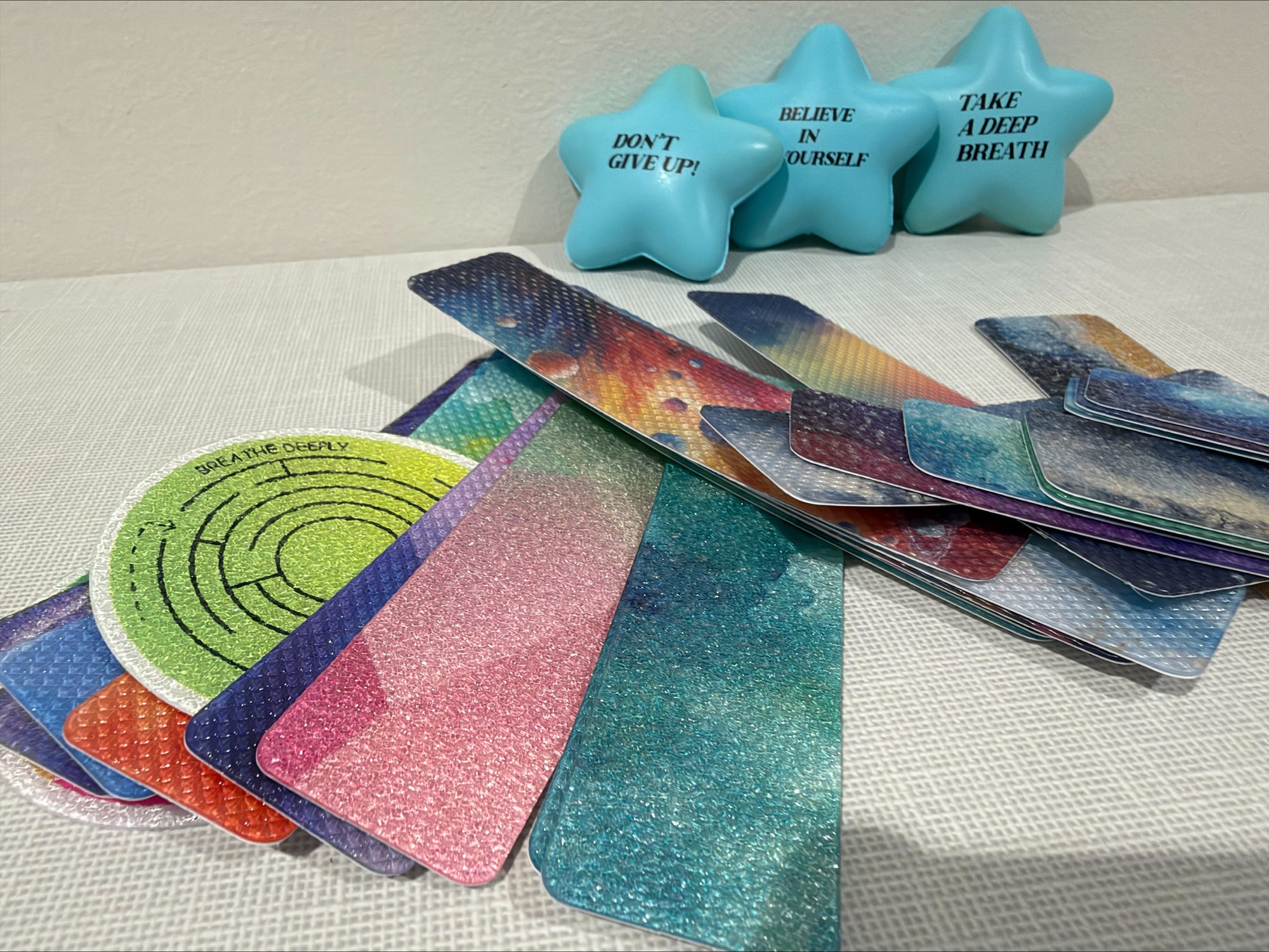
Many participants have also gone numb to what their bodies are telling them. EMPOWER starts there. Participants learn how the nervous system responds to threat through fight, flight and freeze, and how to notice the early somatic signs, such as a hot neck or tense shoulders. They practice breathwork, sound meditation and journaling. Each woman receives a silicone worry stone and a textured sensory strip to help guide them back to feeling again.
Besides these tangible tools, intangible skills are traveling with them also. Participants have told Dorsey they breathe through the long hours in the bullpen, the holding room where women wait to learn whether they’re going home. When one woman gets angry after a hard phone call, another may notice and talk her through a few slow breaths. “That to me is a win,” Dorsey says. One participant said the release she felt after a few rounds of breathing resembled what she once chased through drugs. Dorsey encouraged her to remember that.
Turning Experience into Data
Because Dorsey is a researcher, every cohort also generates data. She collects pre- and post-program surveys and conducts interviews, and the number of women who have taken part so far is approaching 250. She hopes to reach 400 by the end of the project.
The program grew from a community-based partnership. Rocha, who also runs a private clinical practice, had spoken with Dorsey about a program for young Black women that never gained traction. When a chance to work in the jail arose, Rocha, who has long worked with people returning from incarceration, saw the fit and agree to join Dr. Dorsey on the journey. “This is a population that nobody wants to work with,” she says. “It just made sense.”
Lissette Lopez, Deputy Director of Women’s Services at the Cook County Sheriff’s Office, helped open the door. She guided Dorsey’s proposal through the research and legal review that began in fall 2024, and research started in spring 2025. Lopez, a licensed clinical social worker with a doctorate in social work, notes that safety and security always come first in a correctional facility, and that Dorsey’s work fits within that. She also sees firsthand how the program is helping the women participating. They are attached to their sensory stones. Each cohort ends with a celebration and certificates.
“It does give them a lot of hope,” Lopez says of university partnerships like this one. “It lets them know that they can engage in higher education when they get out.”
Continued Support
Rocha is now working to bring community organizations together so the support continues after release, as she notes the program runs largely on volunteers.
For Loyola, none of this is a departure. The University’s Jesuit tradition calls its community to educate “men and women for and with others,” to care for the whole person (cura personalis), and to go where the need is greatest. Social work puts those commitments into practice by addressing the person and the systems around them together. Rocha says elders taught her to move toward the people nobody else wants to work with, because “those are the people that need us the most.”