
Cindy Whittaker Q&A
Four Loyola Alumni Reflect on Careers in Education
Q&A: Cindy Whittaker (BSED ’93, EdD ’01)
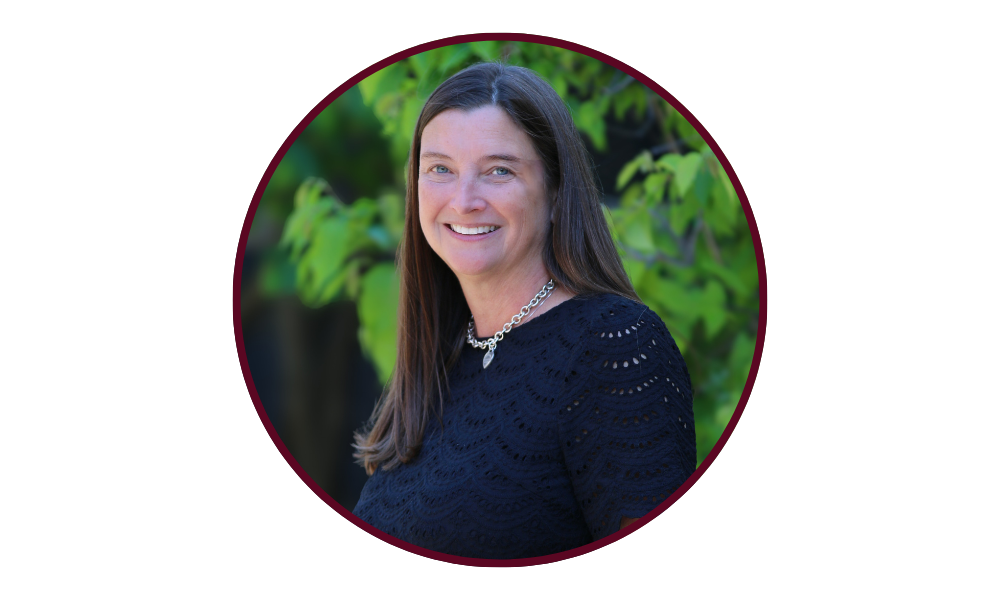
Cindy Whittaker (BSED ’93, EdD ’01) is retiring as superintendent of Fairview School District 72, a pre-K–8 district serving approximately 730 students in a single school. As superintendent, she has overseen the district’s instructional programs, fiscal planning, staff recruitment and retention, and facility operations while fostering a student-centered learning environment.
Whittaker’s leadership has focused on preparing students to become productive citizens in a global society through strong partnerships with families and the broader community. Throughout her tenure, she has emphasized student well-being, academic excellence, and community engagement.
She earned a bachelor’s degree in elementary education and a doctorate in educational supervision from Loyola University Chicago.
As part of our "Four Loyola Alumni Reflect on Careers in Education" series, Whittaker discusses her path to educational leadership, memorable moments from her career, and what comes next.
What inspired you to pursue a career in education, and how did your experience at Loyola and the School of Education shape that path?
My path into education was driven by a belief that schools can be transformative, not just academically, but in shaping confidence, opportunity, and community. Early on, I saw the impact that strong educators had on students’ lives, and I wanted to be part of that work. My experience at Loyola’s School of Education deepened that commitment. The program emphasized not only instructional excellence but also leadership, equity, and service. It challenged me to think beyond the classroom and consider the broader systems that affect student success, which ultimately set me on a leadership path.
What is one moment or accomplishment in your career that stands out as especially meaningful to you?
One of the most meaningful moments in my career was seeing a school or district initiative come full circle, especially when it directly improved outcomes for students who had historically been underserved. Whether it was expanding access to programs or building a stronger school culture, those moments where you can see tangible impact on students’ lives stand out the most. What makes it meaningful isn’t just the data, but knowing the work created real opportunities for students and families. That was especially evident when our small district unexpectedly welcomed an influx of Venezuelan migrant students and families with only a couple of days' advance notice. In that moment, our focus extended beyond academics, and we worked together to create a true sense of belonging. We organized support to provide meals reflective of their home country, clothing, winter coats, shoes, and other essential resources, while ensuring students felt safe, seen, and valued in our schools. Watching our community come together to meet those needs and seeing those students begin to thrive reinforced for me that the heart of this work is not just education, but humanity.
How did your time in the School of Education prepare you for leadership as a superintendent?
Loyola prepared me to lead with both purpose and perspective. The School of Education emphasized servant leadership, data-informed decision-making, and a strong commitment to equity. It also reinforced the importance of listening—really understanding the needs of students, staff, and the community. Grounded in Sergiovanni’s leadership theory, I learned to lead with the head, heart, and hand: using the head to think strategically and make sound decisions, the heart to build trust and relationships, and the hand to take meaningful action in service of others. As a superintendent, those lessons translated into being able to balance vision with practicality, and to lead in a way that keeps students at the center of every decision.
What advice would you give current students or aspiring school leaders?
Stay grounded in your “why.” Education is complex and often challenging, but keeping your focus on students will guide your decisions. Be willing to listen, learn, and adapt. Leadership is as much about growth as it is about direction. Also, build strong relationships. The work of education is never done alone, and your ability to collaborate and communicate will shape your effectiveness as a leader. In the words of the late Chicago Bear, Walter Payton, “We are stronger together than we are apart!”
As you retire, what reflections do you have on your career and your connection to Loyola?
As I reflect on my career, I’m grateful for the opportunity to serve students, families, and educators over the years. It’s been meaningful to be part of a profession that has such a lasting impact. My connection to Loyola has been a constant thread throughout that journey—it helped shape my values, my approach to leadership, and my commitment to service. That connection has remained active in meaningful ways, from teaching in the JELI (Jewish Educator Leadership Institute) program to supervising administrative internships and serving as a committee member for several dissertation defenses. These experiences have allowed me to give back to the next generation of leaders while staying closely connected to the university’s mission. I’m especially honored to have been invited to return to Loyola after my retirement from the superintendency, a full-circle moment that reflects the enduring relationship I value so deeply.