

Advancing climate justice
Advancing climate justice
PROLAW alumni shape global environmental policy and programs
Fighting climate change has always been challenging, but the last few years have been especially fraught for development professionals. Environmental programs are facing significant cuts in foreign aid, public confidence in international organizations is eroding, and armed conflicts around the world have resulted in significant damage to their ecosystems.
For Rachel Mundilo (LLM ’21) from Namibia, Innocent Chamisa (MJ ’19) from Zimbabwe, and Yuliia Melnyk (MJ ’25) from Ukraine, alumni of Loyola’s Rule of Law for Development Program (PROLAW), the current crisis fuels their determination. As Melnyk says, “It’s actually the best time to get a diploma in international development because we will be the ones who will change the system. "The three graduates shared how they’re applying their legal skills to shape a greener future at home and abroad.
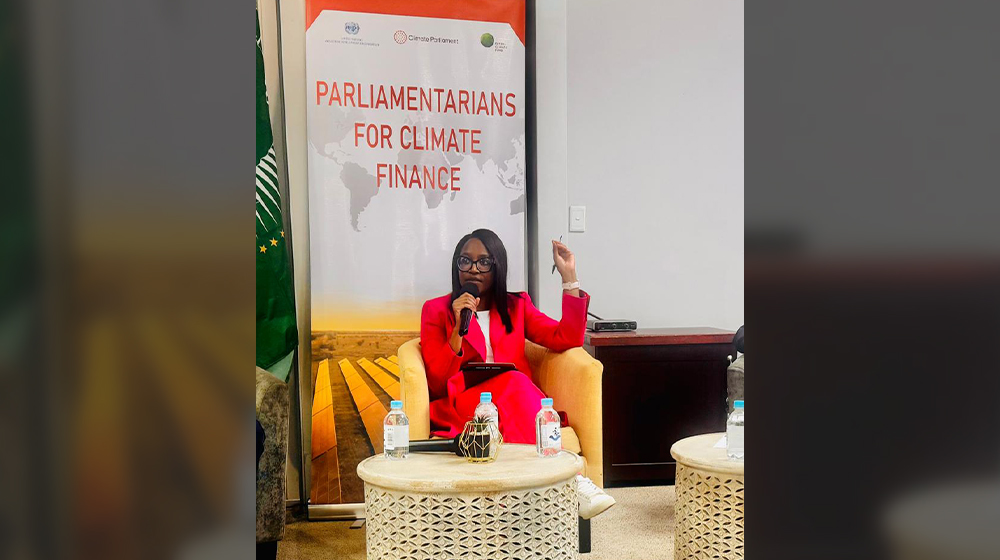
Rachel Mundilo
“Parliamentarians hold the ultimate key to ensure that there is follow-through.”
As the deputy director for parliaments and courts for membership and partnership coordination at the Climate Vulnerable Forum and V20 Finance Ministers, Mundilo collaborates with parliamentarians to ensure implementation of climate ambition.
A flagship initiative of the CVF-V20 is supporting countries in developing Climate Prosperity Plans (CPPs), an innovative policy framework that reframes climate action from a narrative of burden and sacrifice to one of economic opportunity, resilience, and sustainable development. Under the Paris Agreement, signatories submitted country- specific climate pledges to help reduce emissions. CPPs go further by outlining pathways for climate-resilient economic transformation.
Mundilo, who is a fellow in Yale’s prestigious Emerging Climate Leaders Fellowship program, works closely with parliamentarians and legislators to help translate CPPs from aspirational frameworks into implementable national strategies. The undertaking requires strengthening enabling legislation, aligning budgets and public finance systems with climate priorities, supporting parliamentary oversight, and fostering cross-party engagement to sustain long-term climate ambition beyond political cycles. “My role sits at the intersection of climate policy, legislation, and implementation by examining legislative gaps related to scaling up renewables, energy transition, and climate governance whilst supporting legislative optimization in order to ensure that CPPs are implemented,” Mundilo says.
With her team, she engages parliamentarians through workshops and seminars so they remain informed and committed to the climate goals. For example, Mundilo recently supported Gambia’s parliamentary Select Committee on Environment, Sustainable Development, and NGO Affairs in their submission to the National Assembly on the new climate change bill. In addition to offering insight and feedback, she also organized a study tour to Kenya for the committee so they can learn how their Kenyan counterparts passed a climate change bill and made the law operational.
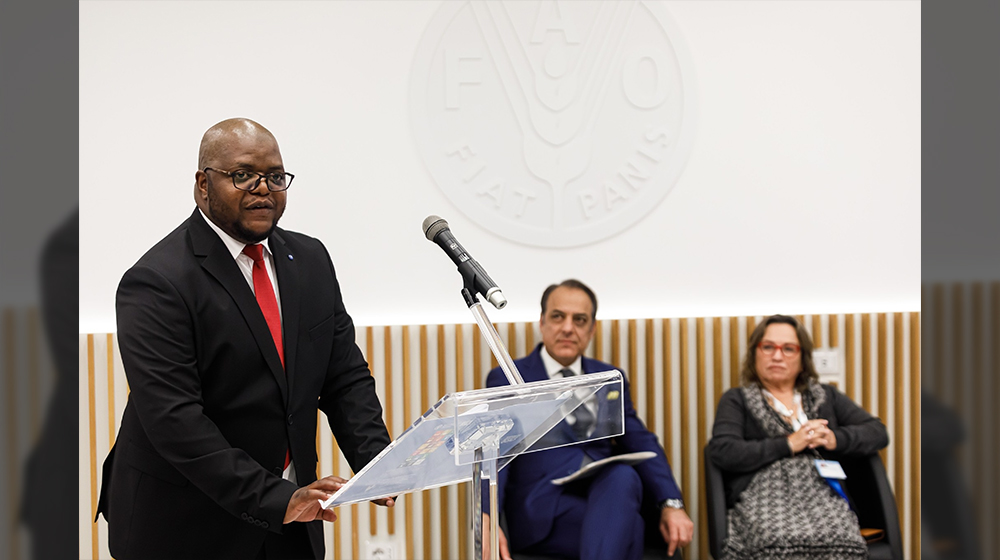
Innocent Chamisa
“We are facilitating knowledge exchange and collective learning.”
Chamisa serves as the coordinator and facilitator of EvalforEarth, a global community of practice sponsored by a consortium of evaluation offices from six United Nations agencies and international organizations focused on food security, environment, agriculture, and rural development. While evaluation offices collaborate in a limited capacity on joint evaluations and global initiatives, EvalforEarth works to enhance collaboration and address strategic and emerging evaluation needs, thereby strengthening interagency learning, knowledge exchange, and partnership in a more structured and cost-efficient manner. “In the context of shrinking resources and ongoing institutional reforms across the UN system, collaborative online platforms such as EvalforEarth are becoming increasingly important,” says Chamisa.
The platform “brings a global community of practice together,” says Chamisa. “We are facilitating knowledge exchange and collective learning within an accessible and structured environment, promoting an evaluation culture where evidence, reflection, and learning are valued and more effectively integrated into policy and program decision-making.”
Membership is open to evaluators, researchers, policymakers, commissioners of evaluation, and development practitioners worldwide. Launched in March 2025, the community already boasts over 2,700 individual members across more than 150 countries, thanks to Chamisa’s tireless promotion and outreach. Members enjoy access to high-level panel discussions and webinars, multilingual blogs and articles, information exchange events, and over 300 curated resources.
EvalforEarth not only brings agencies and practitioners together; its online community also allows practitioners in the Global South to share their knowledge with their counterparts around the globe, strengthening their professional networks. “The idea here is to learn together on a single platform and utilize the resources we have to make our programs more efficient for the people we serve,” Chamisa says.

Yuliia Melnyk
“Communities are struggling with climate change issues and war issues. They’re both interconnected right now.”
As the cofounder of the Ukrainian environmental organization Ekoltava, Melnyk has been on the front lines of climate change since 2013. When the group started, it organized in-person climate protests, environmental forums, and community events like documentary screenings for activists and the public.
In recent years, Ukraine’s adoption of the European Green Deal has shifted Melnyk’s advocacy work. The climate legislation aims to make the region the first climate-neutral continent by 2050. Because Ukraine signed the deal to meet the European Union’s accession requirements, the country must find solutions to its overflowing landfills, a critical problem made even worse by the accumulation of war debris. One way to comply with the new climate stipulations is to recover recyclable materials and soil from the waste and restore the land for future use, yet the process requires large investments in infrastructure. Moreover, municipalities responsible for such work often lack the funds and technical expertise to carry it out.
Through her work with Ekoltava and as a consultant for the government, Melnyk is tackling this deadlock. “I’m working with the state on an economic strategy, developing financial instruments and better legislation so municipalities can get the resources they need to solve waste management problems,” she says. At the local level, she helps municipalities translate the new policy into actionable plans, like creating more green spaces in urban areas and adapting agricultural projects to be more eco-friendly. “Our country is beautiful,” says Melnyk. “We want to save it.” –Ines Bellina (July 2026)
Loyola Law Magazine 2026

Weekend wonder
Celebrating 10 years, Loyola’s innovative part-time JD program, Weekend JD, institutes a format refresh that will make a law education even more accessible
Read the story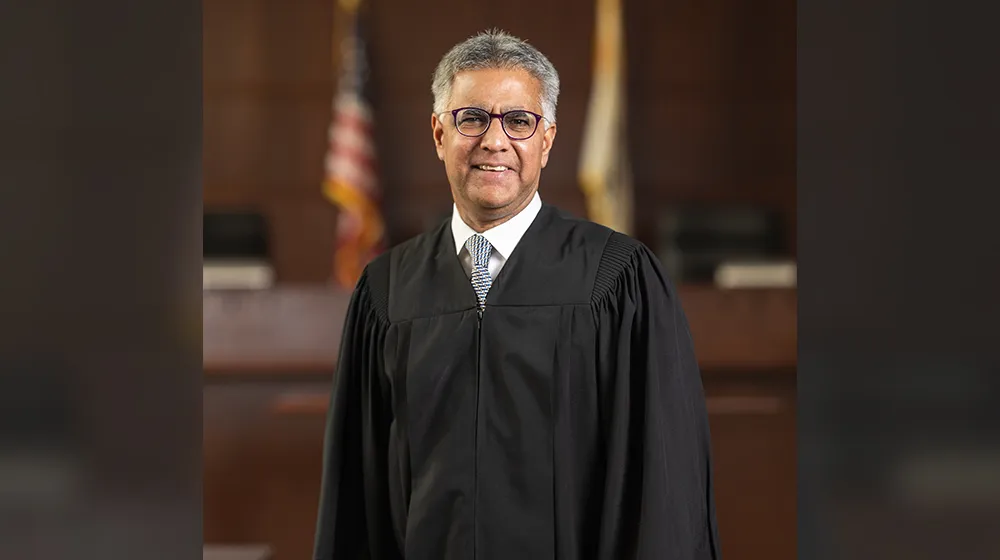
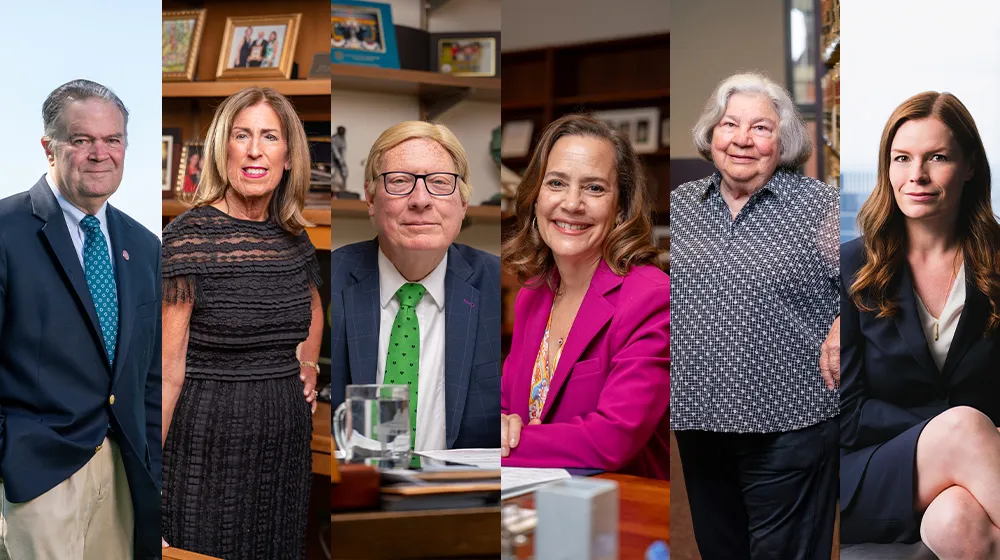
Honoring leadership and service
School of Law awards celebrate Kathryn L. Conway, Sara Ellis, James J. Faught, Jean Gaspardo, Thomas V. Lyons II, and Jeanne M. Reynolds
Read the story
Expanding experiential learning
Gift from longtime supporters Curt (JD ’75) and Linda Rodin to boost clinical legal education
Read the story